
Iran in Mourning After Supreme Leader Ali Khamenei Assassinated in US-Israeli Strike
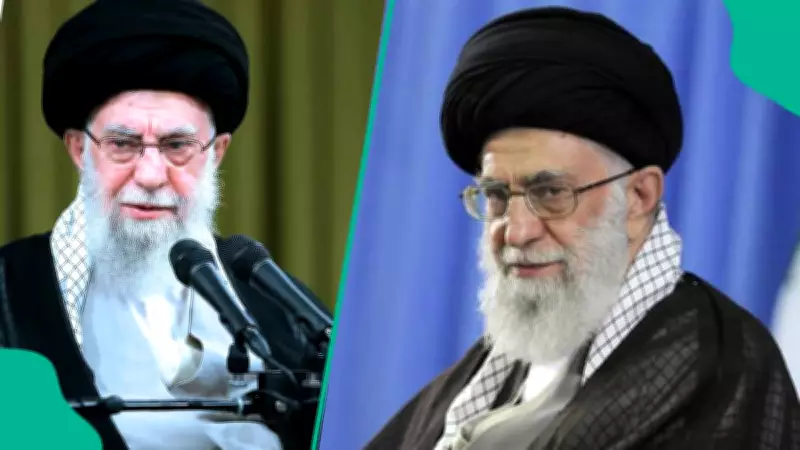
Iran has declared 40 days of public mourning following the assassination of Supreme Leader Ayatollah Ali Khamenei, who was killed in a joint military operation by the United States and Israel on Saturday, February 28, 2026. The 86-year-old leader, who ruled Iran for nearly four decades, was targeted in a strike that has plunged the nation into a period of uncertainty and grief. The Iranian government has officially described his death as a "martyrdom," highlighting the profound impact of this event on the country's political and religious landscape.
Succession Process Underway Amid Regional Tensions
With no officially declared heir, the responsibility of selecting a new Supreme Leader falls to the Assembly of Experts, an elected body of 88 senior clerics. This process has only occurred once before in Iran's history, when Khamenei was chosen after the death of Ayatollah Ruhollah Khomeini in 1989. However, the current situation is complicated by ongoing US-Israeli military aggression, with President Donald Trump pledging to continue bombing campaigns against Iran. This raises questions about the feasibility of convening the assembly and ensuring a smooth transition of power.
Key Contenders for the Supreme Leadership Role
As Iran navigates this pivotal moment, several potential successors have emerged, each with distinct backgrounds and political alignments. The selection will be critical in shaping Iran's future direction, both domestically and in its foreign relations.
- Mohammad Mehdi Mirbagheri: A hardline cleric in his early 60s, Mirbagheri represents the conservative wing of the clerical establishment. He is known for his strong anti-Western stance and heads the Islamic Sciences Academy in Qom. His recent comments justifying high casualties in conflicts have drawn attention, positioning him as a figure who prioritizes ideological purity over pragmatic concerns.
- Hashem Hosseini Bushehri: Serving as the first deputy chairman of the Assembly of Experts, Bushehri is a senior cleric in his late 60s with close ties to Khamenei. Despite his low domestic profile and lack of strong connections to the Islamic Revolutionary Guard Corps (IRGC), his institutional role makes him a significant player in the succession discussions.
- Mojtaba Khamenei: The 56-year-old son of the slain leader, Mojtaba wields behind-the-scenes influence through his links with the IRGC and Basij paramilitary forces. However, his candidacy faces hurdles due to Shiite clerical norms that frown upon hereditary succession, and his lack of high-ranking clerical status or official government role.
- Hassan Khomeini: As the grandson of the Islamic Republic's founder, Khomeini holds religious and revolutionary legitimacy. In his early 50s, he serves as custodian of the Khomeini mausoleum but has limited influence with Iran's security apparatus and ruling elite, and is seen as less hardline than many peers.
- Alireza Arafi: A 67-year-old established cleric, Arafi has held senior positions such as deputy chairman of the Assembly of Experts and member of the Guardian Council. Confidant to Khamenei, he is noted for his bureaucratic abilities but lacks strong ties to the security establishment, making his political weight uncertain.
Regional and Global Implications of the Assassination
The assassination has escalated tensions in the Middle East, prompting responses from various international actors. The Nigerian federal government, for instance, has issued a travel advisory for citizens in Iran and neighboring Gulf countries, citing the "evolving and volatile situation." Additionally, Iran has threatened to boycott the 2026 FIFA World Cup in the USA, further complicating global diplomatic relations. These developments underscore the broader impact of Khamenei's death on regional stability and international affairs.
As Iran mourns, the world watches closely to see how the succession process unfolds. The choice of a new Supreme Leader will not only determine Iran's internal governance but also its stance on key issues such as nuclear negotiations, regional conflicts, and relations with Western powers. The coming weeks are likely to be marked by intense political maneuvering and potential unrest, as Iran seeks to project stability in the face of profound loss and external pressures.




