
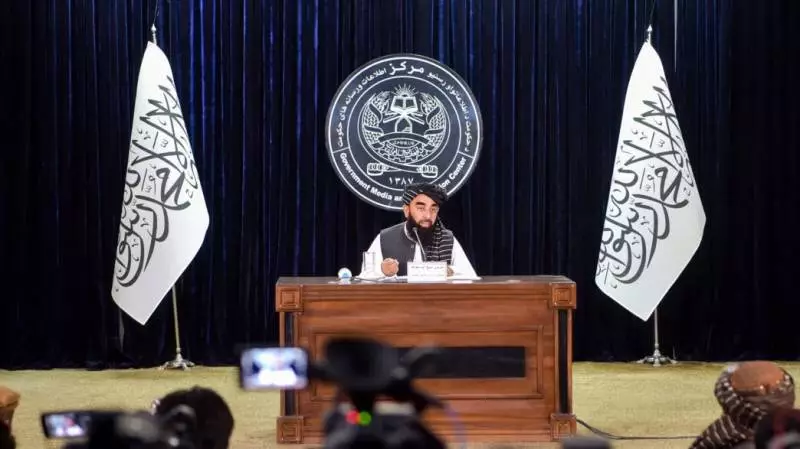
The Taliban-led government in Afghanistan has expressed strong frustration after being excluded from the upcoming COP30 United Nations climate summit in Brazil, arguing that the country deserves representation as one of the world's most climate-vulnerable nations.
Afghanistan's Climate Vulnerability Ignored
Afghanistan's National Environmental Protection Agency (NEPA) confirmed that no official invitation arrived for the global climate conference, which begins on Monday in Brazil. This exclusion comes despite Afghanistan facing severe climate challenges including worsening droughts, rapidly shrinking groundwater reserves, and consistently rising temperatures.
The country contributes barely 0.06 percent of global greenhouse gas emissions yet experiences some of the most devastating impacts of climate change. Nearly 89 percent of Afghans depend on agriculture for survival, making them extremely vulnerable to any shifts in climate patterns that affect farming and water availability.
Political Isolation vs Climate Justice
The Taliban government, which regained power in 2021 and currently receives formal recognition only from Russia, argues that political disagreements should not prevent Afghan representatives from participating in critical climate negotiations that directly affect their nation's future.
While Afghan representatives attended COP29 last year, they participated only as "guests" of Azerbaijan rather than as direct participants with full speaking rights. The current exclusion from COP30 represents a significant setback for Afghanistan's ability to advocate for its environmental needs on the global stage.
NEPA officials have labeled the snub as a clear violation of "climate justice, global cooperation, and human solidarity" principles that should guide international climate discussions. They emphasize that Afghanistan cannot afford to be shut out of conversations that will determine the country's environmental and economic future.
Severe Climate Impacts Already Evident
The United Nations has already documented the severe climate challenges facing Afghanistan. Repeated droughts from 2020 through 2025 have devastated the country's water resources, with groundwater levels dropping by as much as 30 meters in some regions.
With meteorological forecasts indicating that 2025 could become one of the hottest years ever recorded globally, the stakes continue to rise for vulnerable nations like Afghanistan. The exclusion from climate talks comes at a time when the country needs international support and representation most urgently to address these escalating environmental crises.




