
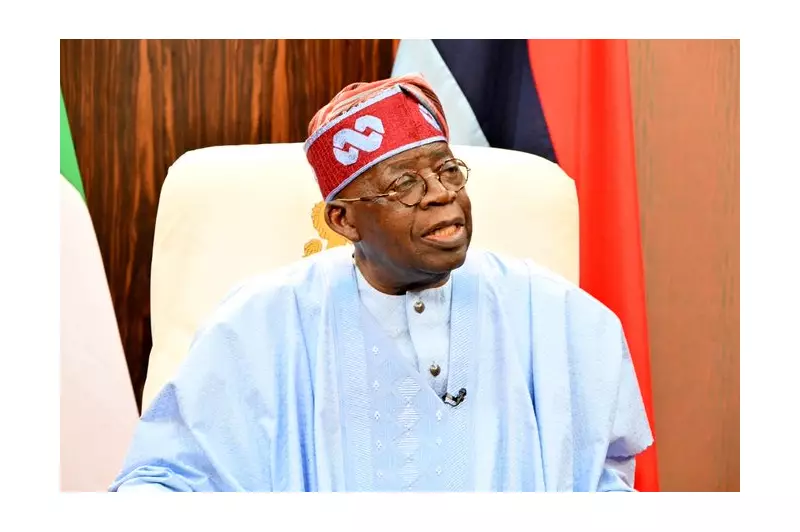
President Bola Ahmed Tinubu has forwarded a list of 65 new ambassadorial nominees to the Senate for confirmation, a move that has ignited significant public discourse and criticism from various quarters.
Nominees and Presidential Reaffirmation of Global Commitments
The President's request, read at plenary on Thursday, December 5, 2024, by Senate President Godswill Akpabio, consists of 34 career ambassadors and high commissioners and 31 non-career appointees. The list includes prominent names such as former Chief of Naval Staff, Ibok-Ete Ibas; former presidential aide, Ita Enang; former Imo State First Lady, Chioma Ohakim; and former Minister of Interior, Abdulrahman Dambazau.
Other notable nominees are Ahmed Sulu-Gambari from Kwara, Segun Ige from Edo, Senator Folasade Grace Bent from Adamawa, and Senator Jimoh Ibrahim from Ondo State. Three nominees forwarded earlier have been screened, while the new 65 are slated for screening within one week.
This development coincided with President Tinubu receiving Letters of Credence from 21 newly accredited foreign envoys – 17 ambassadors and four high commissioners – at the State House in Abuja. During the ceremony, Tinubu reaffirmed Nigeria's unwavering commitment to global peace, stability, and economic cooperation.
"Nigeria values its longstanding friendships and strategic partnerships across all regions," the President stated, adding that his administration remains open to deeper engagements that advance shared prosperity and sustainable development.
Mounting Criticism and Calls for Merit-Based Appointments
The nomination list has, however, drawn sharp criticism. Former Vice President Atiku Abubakar strongly condemned the inclusion of the immediate past Chairman of the Independent National Electoral Commission (INEC), Professor Mahmud Yakubu.
Atiku stated that such a nomination raises serious concerns and "risks appearing as a quid pro quo rather than a recognition of merit." He argued it presents terrible optics for an administration struggling with credibility and sends the wrong message to INEC's current leadership.
Similarly, the coalition of civil society groups, Rescue Movement for New Nigeria (RMNN), in a statement by its National Secretary, Oluwarotimi Daniels, described the list as "driven by political compensation, not merit." The group warned that appointing individuals with questionable reputations could damage Nigeria's international image and called on the Senate to reject nominees lacking competence and moral standing.
"Nigeria cannot continue on a path where political appeasement is prioritised over competence," Daniels emphasized, urging a transparent, merit-based selection process.
The Unsung Risks of Diplomacy
Amidst the nominations, the outgoing Director of Reforms and Renovations at the Ministry of Foreign Affairs, Ambassador Akinremi Bolaji, highlighted the often-overlooked perils faced by Nigerian diplomats. Speaking at his retirement and book launch, Bolaji asserted that diplomats face greater risks than soldiers, despite receiving far less recognition and support.
"Diplomats walk into fires that weapons cannot extinguish," he noted, adding that while the military is rightly respected, all wars ultimately end at the negotiation table. His book, The 7-Star Diplomat, serves as both a memoir and a guide, capturing the silent sacrifices that define the profession.
Chairman of the event, Kolawole Agbaje, praised Bolaji as a rare officer who consistently placed Nigeria's national image above personal ambition, strengthening global investor confidence.
As the Senate prepares to screen the nominees, the debate underscores a critical tension between political patronage and diplomatic merit, with significant implications for Nigeria's governance and international reputation.




