
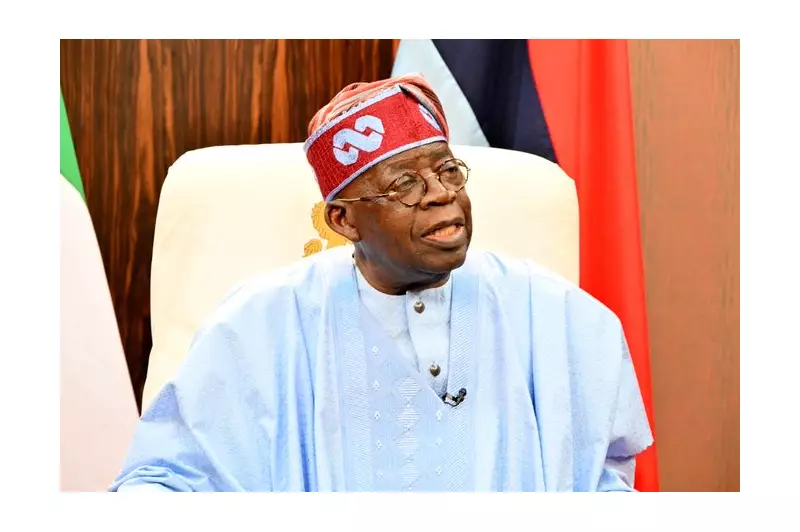
President Bola Tinubu on Thursday, December 4, 2025, formally welcomed a new cohort of international diplomats to Nigeria, receiving their official accreditation documents in a significant ceremony at the State House in Abuja.
A Ceremony of Strategic Diplomacy
The event saw the Nigerian leader accept Letters of Credence from a total of seventeen ambassadors and four high commissioners. The presentations took place at the Council Chamber, marking a pivotal step in formalising the diplomats' roles as the official representatives of their home countries in Nigeria.
In his address, President Tinubu extended a warm welcome on behalf of the Nigerian government and its people. He highlighted the value Nigeria places on its longstanding friendships and strategic partnerships across the globe. The President emphasised that the accreditation process served to reaffirm the depth of existing bilateral ties and a mutual desire to broaden cooperation.
Tinubu's Open-Door Policy and Call for Deeper Engagement
President Tinubu used the platform to outline his administration's core focus areas. He assured the diplomats that Nigeria remains dedicated to strengthening democratic institutions, driving economic reforms, and fostering an environment conducive to investment and innovation.
The President explicitly encouraged the envoys to pursue deeper engagements with Nigeria across several key sectors. He named trade, energy, agriculture, education, technology, defence cooperation, and cultural exchange as prime areas for collaboration.
Acknowledging global challenges such as security threats, climate change, economic instability, and humanitarian crises, Tinubu stated Nigeria's readiness to work closely with partner nations to promote peace, stability, and shared prosperity. He concluded his remarks by reiterating his open-door policy for constructive dialogue and promised the new diplomats the full cooperation of the Nigerian government during their tenure.
Diplomatic Praise for Nigeria's Leadership
Speaking on behalf of the assembled diplomats, the Ambassador of Japan, Mr. Suzuki Hideo, described the occasion as both historic and remarkable. He acknowledged Nigeria's strategic importance within the Economic Community of West African States (ECOWAS) and the wider African continent.
Ambassador Hideo expressed gratitude for the opportunity to present his credentials and commended President Tinubu's visionary leadership and bold economic reforms. He specifically recognised efforts to strengthen Nigeria's fiscal framework, attract investment, and promote inclusiveness. The Japanese envoy also praised recent initiatives to enhance national security through intensified counter-terrorism strategies.
"Nigeria today stands as a beacon of resilience and promise," Hideo stated, noting the country's contributions to economic prosperity and political stability in the region.
The full list of diplomats who presented their Letters of Credence includes:
- Ambassadors: Mr. Suzuki Hideo (Japan); Brah Mahamat (Chad); Rodolf Estime Lekogo (Gabon); Mehmet Poroy (Türkiye); Muhannad M.A. Alhammouri (Palestine); Felix Costales Artioda (Spain); Banbang Suharto (Indonesia); Ba Abdoulaaye Mamadou (Mauritania); Peter Guschelbauer (Austria); Thirapath Mongkolnavin (Thailand); Miah M.D. Mainul Kabir (Bangladesh); Anna Westerholm (Sweden); Tomas Vyprachticky (Czech Republic); and John Ballout Jr. (Liberia).
- High Commissioners: Mr. Baba Jamal Mohammed Ahmod (Ghana); Mr. Abheshek Singh (India); Mr. Michal Cygan (Poland); Mr. Roberto Mengoni (Italy); Mr. Martins Podostavek (Slovakia); Mr. Gholamreza Mahdavi Raja (Iran); and Mrs. Juliette Bynoe Sutherland, Non-Resident High Commissioner of Barbados.




