
Diplomatic Snub Over Xenophobic Violence
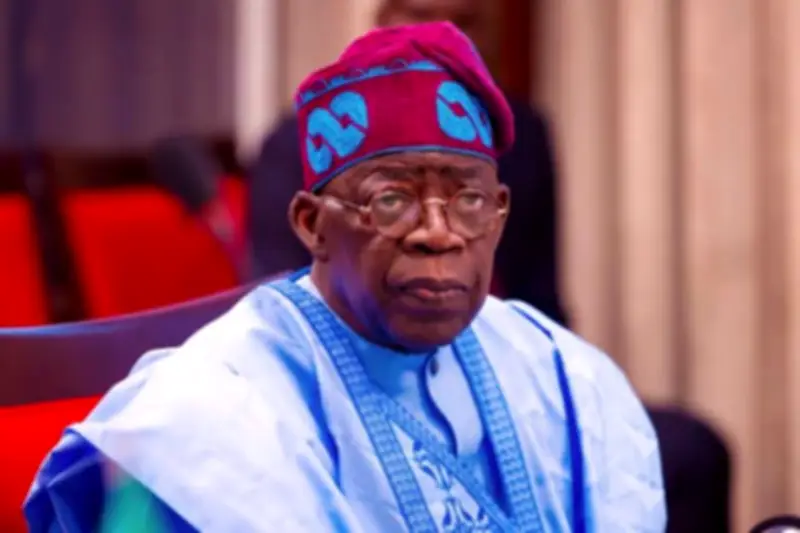
President Bola Ahmed Tinubu has declined to receive a special envoy sent by South African President Cyril Ramaphosa, escalating tensions between Africa’s two largest economies. The South African delegation, led by Minister of International Relations and Cooperation Ronald Lamola, arrived in Abuja on Friday, July 24, carrying what was described as a “very important message” for the Nigerian leader. However, the presidential villa refused to grant the envoy an audience, signaling Nigeria’s growing frustration with repeated xenophobic attacks against its citizens in South Africa.
Background of Rising Attacks
The diplomatic rebuff comes less than 24 hours after the reported killing of a Nigerian national, Chika Ibe, who was allegedly taken from his residence at Parksig Villas Complex in Bellville, Cape Town, and tortured to death by personnel of the South African Police Service (SAPS). This incident is the latest in a long series of xenophobic attacks targeting Nigerian businesses and individuals in South Africa, which have strained bilateral relations for years.
Nigeria has consistently called on South Africa to protect foreign nationals and prosecute perpetrators of xenophobic violence. In response to previous attacks, Nigeria recalled its ambassador and imposed economic measures, but the violence has continued. The Tinubu administration appears to be taking a harder line, refusing even to engage with Ramaphosa’s emissary until concrete actions are taken.
Nigeria’s Firm Stance at ECOWAS
At the 69th Ordinary Session of the Authority of Heads of State and Government of ECOWAS, held recently in Lungi, Sierra Leone, Vice President Kashim Shettima condemned the attacks. Representing President Tinubu, Shettima pledged that Nigeria would push for stronger measures against xenophobia at the African Union. He emphasized that such attacks undermine the spirit of African unity and must be addressed collectively.
“Nigeria will not tolerate the continued targeting of its citizens in any African country,” Shettima stated, adding that the federal government is committed to using diplomatic channels to secure justice for victims and prevent future incidents. The ECOWAS summit also called for regional cooperation to combat xenophobia and protect migrant communities.
South Africa’s Response and Broader Implications
South African officials have repeatedly condemned xenophobia but have struggled to curb violence fueled by unemployment and competition for resources. Ramaphosa’s decision to send a special envoy suggests concern about deteriorating relations with Nigeria, a key trade partner and continental powerhouse. However, Tinubu’s refusal to meet sends a clear message that rhetoric alone is insufficient.
Analysts warn that the diplomatic rift could impact trade, security cooperation, and African Union decision-making. Nigeria and South Africa together account for nearly half of sub-Saharan Africa’s GDP, and their strained relationship weakens the continent’s collective bargaining power. The Nigerian government has urged South Africa to implement effective policing, prosecute offenders, and offer reparations to victims’ families.
Calls for Stronger Regional Mechanisms
Civil society groups in both countries have called for stronger legal frameworks to protect migrants. The African Continental Free Trade Area (AfCFTA) arrangement also faces challenges if intra-African migration remains unsafe. Nigeria’s stance may push the African Union to adopt binding resolutions on xenophobia, but progress is likely to be slow given sovereignty issues.
As of now, the South African envoy remains in Abuja without a scheduled meeting. President Tinubu’s office has not issued an official statement, but sources indicate that the president expects South Africa to take concrete steps—such as dismissing the officers involved in Ibe’s death—before any high-level engagement can resume.




