
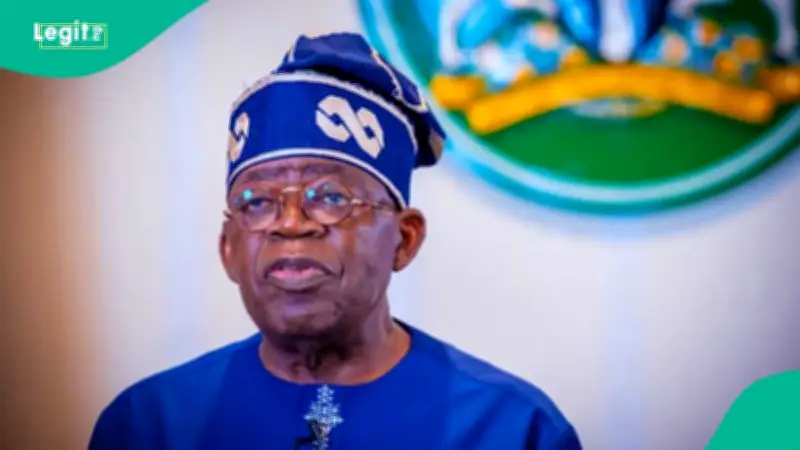
President Bola Tinubu declined to personally receive South Africa's special delegation sent by President Cyril Ramaphosa to address the xenophobic attacks on Nigerians. Instead, he directed the envoys, led by Minister Ronald Lamola, to meet with Nigeria's Minister of State for Foreign Affairs, Ambassador Sola Enikanolaiye.
Delegation Waits Weekend Without Presidential Audience
The South African delegation arrived in Abuja on Friday, July 25, seeking a direct audience with President Tinubu. According to multiple Presidency sources, the envoys waited through the weekend without receiving a response. On Monday, July 27, they were informed that the President would not see them personally.
“They actually came here on Friday wanting to see the President. But there was no prior notice. And we said we can't just allow you to see the President without first asking him if he is available. So we asked, and the President said they could come on Monday. But when Monday came, he simply said they should go and meet the Minister of State for Foreign Affairs, Ambassador Enikanolaiye, and whatever they discuss, the Minister would come and brief him,” a Presidency source revealed.
Nigeria Raises Police Complicity Concerns
Receiving the delegation on Tinubu's behalf, Enikanolaiye delivered a pointed message, highlighting a long pattern of violence against Nigerians in South Africa dating back to 1995. He cited that from 2022 alone, 98 Nigerians had died in mob-related violence, and nearly 1,500 Nigerians were evacuated during the latest crisis.
Enikanolaiye expressed concerns about police conduct during the attacks, stating, “We could see some mob actions, where we saw the police watching, as if they are helpless to address this situation, which to us raises issues of state responsibility. It raises issues of complicity.” He emphasized that Nigeria does not shield criminals but insisted due process must apply.
Background of Xenophobic Violence
The latest wave of attacks began on June 28, 2026, when Nigerians were confirmed murdered amid anti-immigrant protests in South Africa. The violence was fueled by claims that foreigners cause unemployment and crime. Protesters urged the government to curb illegal migration, arguing that foreigners unfairly benefit from public services.
Minister of Foreign Affairs Ambassador Bianca Odumegwu-Ojukwu, who was attending engagements in Addis Ababa, had advised against Tinubu personally receiving the delegation while attacks on Nigerians and their businesses continued.
Diplomatic Efforts Ahead of AU Summit
Lamola's visit aimed at de-escalating tensions ahead of the African Union Extraordinary Summit on conflict prevention and resolution, scheduled for Angola from August 29 to 30, 2026. The meeting with Enikanolaiye focused on addressing Nigeria's grievances and finding a path forward.
Meanwhile, Vice-President Kashim Shettima addressed the 69th ECOWAS summit in Sierra Leone, calling on West African leaders to confront xenophobic attacks in South Africa. Shettima reminded South Africa that Nigerian students had deductions made from their scholarship allowances to finance liberation movements in Southern Africa.
The diplomatic tensions come after attacks killed at least four Nigerians, prompting Nigeria to evacuate 1,490 citizens from South Africa. Nigeria has consistently condemned the violence and demanded accountability from South African authorities.




