
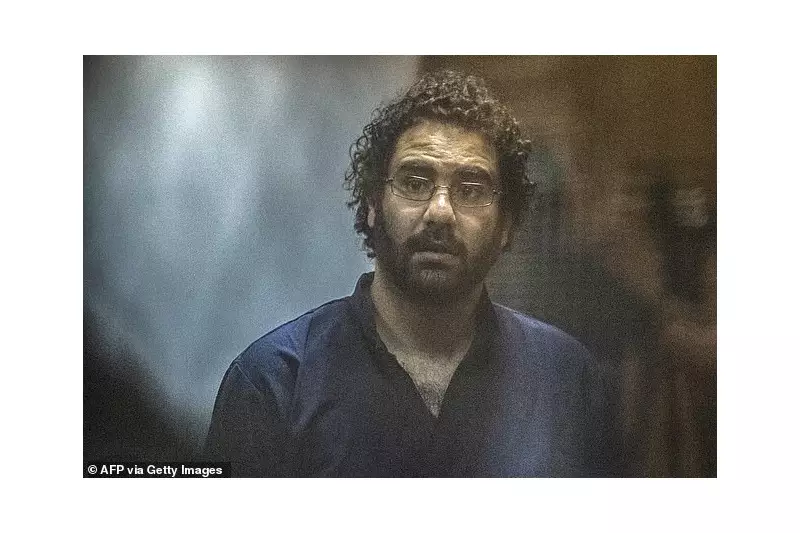
Kemi Badenoch, the leader of the United Kingdom's Conservative Party, has launched a fierce demand for the deportation of an Egyptian dissident, declaring she does not want people who harbour hatred for Britain entering the country.
Controversial Posts Spark Political Firestorm
The controversy centres on Alaa Abd El-Fattah, a figure whose recent arrival in the UK was initially celebrated by Prime Minister Keir Starmer. The situation dramatically shifted when past social media posts from El-Fattah surfaced. In these posts, he reportedly advocated for violence against Jewish people and expressed intense racial animosity.
One particularly vile statement read: 'I seriously, seriously, seriously hate white people, especially those of English or Dutch or German descent.' These discoveries prompted Badenoch to call on Home Secretary Shabana Mahmood to initiate deportation proceedings. Badenoch argued that British citizenship is a privilege, not a right, stating, 'Our country is our home, not a hotel.'
Cross-Party Outrage and Apology
The backlash was not confined to the Conservative Party. Senior Labour MPs criticised Sir Keir Starmer, suggesting he had eroded trust within the British Jewish community. One minister labelled the welcome given to El-Fattah as 'truly shocking,' while another questioned the vetting process that allowed his entry.
Reform UK leader Nigel Farage also joined the call for deportation. In response to the uproar, Alaa Abd El-Fattah issued a public apology. He described the resurfaced tweets as 'shocking and hurtful' and attributed them to the 'anger and frustrations of a young man' during periods of regional conflict and police brutality in Egypt.
Questions Over Government Vetting and Aftermath
The case has raised serious questions about the UK's due diligence procedures. Badenoch revealed that El-Fattah was granted citizenship in 2021 based on his mother's UK birth, but the decision was 'rubber-stamped' by officials without the knowledge of the then home secretary, Priti Patel. Shadow Justice Secretary Robert Jenrick suggested that any civil servant who knew of El-Fattah's record and withheld it from ministers should be dismissed.
The Board of Deputies of British Jews expressed 'profound concern,' calling the situation a demonstration of a 'broken system.' El-Fattah, who was released from an Egyptian prison in September and flew to the UK on Boxing Day, now faces an uncertain future as political pressure for his removal mounts.




