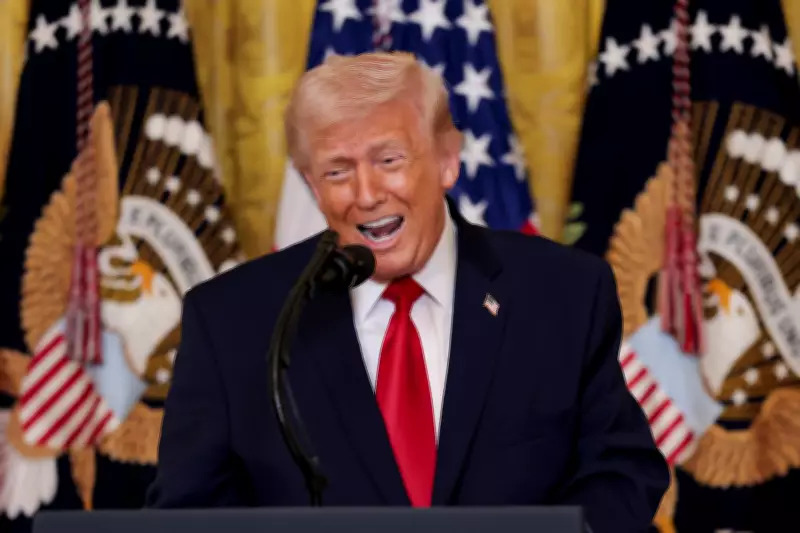
Trump Deploys 5,000 US Marines to Strait of Hormuz Amid Escalating Iran Tensions
In a significant military escalation, former President Donald Trump has ordered the deployment of approximately 5,000 U.S. Marines to the strategically vital Strait of Hormuz. This move comes as ongoing tensions from the war with Iran continue to severely disrupt global energy supplies and create instability in one of the world's most critical maritime corridors.
Military Deployment Details and Authorization
The deployment was formally approved by U.S. Secretary of Defense Pete Hegseth, who authorized the movement of an amphibious ready group consisting of multiple warships and about 5,000 Marines. This substantial force includes:
- The amphibious assault ship USS Tripoli
- The transport dock ships USS San Diego
- The transport dock ship USS New Orleans
Additionally, the United States is deploying the 31st Marine Expeditionary Unit, a highly mobile crisis-response force based in Japan that specializes in rapid military operations and emergency deployments. This unit brings advanced capabilities to the region, including sophisticated aircraft such as the F‑35 Lightning II fighter jets, as part of the enhanced American military presence.
Strategic Importance of the Strait of Hormuz
The Strait of Hormuz represents one of the world's most critical energy corridors, with approximately 20 percent of global oil and gas shipments normally passing through this narrow waterway that links the Persian Gulf to the open ocean. However, maritime traffic has been significantly reduced following multiple attacks on cargo ships and tankers linked to the ongoing conflict with Iran.
According to officials who spoke to media outlets, the request for this deployment originated from United States Central Command (CENTCOM), which oversees American military operations across the Middle East region. The decision reflects growing concerns about the security of this vital shipping lane and its impact on global energy markets.
Defense Secretary's Statements on Iranian Military Capabilities
During a recent briefing, Secretary of Defense Pete Hegseth emphasized Washington's intention to weaken Iran's military capabilities in clear and forceful terms. "We will defeat, destroy, disable Iran's military," Hegseth declared. He elaborated further, stating, "But it's not just that Iran doesn't have a functioning Air Force, or that their entire Navy is at the bottom of the Persian Gulf, or their missile force is shrinking daily."
Hegseth continued with a particularly pointed assessment: "They also don't have the ability to build more. That's the most important component I'd like to emphasise today." These statements underscore the administration's strategic approach to dealing with Iranian military threats in the region.
Global Economic Impact and Market Turmoil
The disruption in the Strait of Hormuz has pushed global oil markets into significant turmoil, creating one of the largest supply disruptions in modern energy markets according to industry analysts. The consequences have been immediate and far-reaching:
- Insurance premiums for ships traveling through the region have surged dramatically
- Many tankers have avoided the route altogether, seeking alternative pathways
- Rising fuel prices have affected consumers in multiple countries worldwide
The situation has created ripple effects across the global economy, with governments and energy agencies scrambling to stabilize supplies while the conflict continues. This military deployment represents a direct response to these economic pressures and security concerns, aiming to restore stability to this crucial maritime passage.
As the situation develops, the international community watches closely how this increased American military presence will affect both regional security dynamics and global energy markets that depend on the free flow of resources through the Strait of Hormuz.