
Trump Announces 21-Day Timeline for U.S. Troop Withdrawal from Iran Conflict
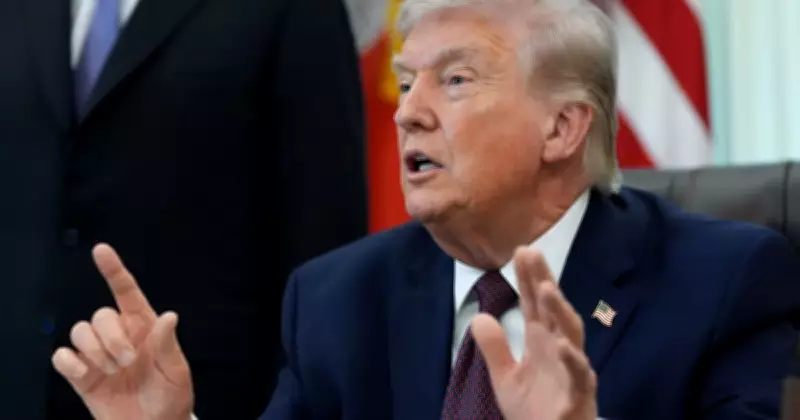
U.S. President Donald Trump has declared that American military forces could be withdrawn from Iran within the next two to three weeks, signaling a potential conclusion to the ongoing conflict in the region. Speaking from the White House, Trump emphasized that the United States does not intend to maintain a long-term presence in Iran and expects its mission to wind down rapidly.
Imminent Withdrawal Regardless of Deal Status
President Trump stated unequivocally that the United States is prepared to withdraw from the conflict "whether we have a deal or not." He indicated that a formal peace agreement with Tehran may not be necessary before American forces depart, suggesting that Washington could simply conclude operations once it believes its objectives have been achieved.
"We'll be leaving very soon," Trump affirmed, adding that the U.S. expects its mission in Iran to conclude within two to three weeks. This announcement comes after weeks of escalating military tensions involving the United States, Israel, and Iran, following strikes on Iranian military and strategic facilities earlier in the conflict.
Strategic Objectives and Damage Assessment
According to the U.S. president, Washington's primary goal was not to occupy Iran but to weaken its military capabilities and prevent future threats. Trump claimed that the United States has already inflicted significant damage on Iran's military infrastructure, asserting that it could take the country many years to rebuild.
"We don't really need a deal," Trump said, reinforcing his position that the United States could withdraw once it determines its strategic objectives have been met. This approach marks a significant departure from traditional diplomatic protocols that typically require formal agreements before military disengagement.
Global Economic Impact and Energy Markets
The conflict has had substantial global consequences, particularly affecting energy markets worldwide. Oil prices surged dramatically in recent weeks as tensions in the Middle East threatened supplies moving through the Strait of Hormuz, a crucial global shipping route for crude oil transportation.
Trump suggested that gasoline prices in the United States could decrease once military operations wind down and shipping routes in the region return to normal operations. This economic consideration appears to be a significant factor in the administration's withdrawal timeline.
International Divisions and Expert Caution
The conflict has exposed notable divisions among Western allies, with some European governments reportedly reluctant to support the U.S. military campaign or permit their bases to be used for operations linked to the conflict. This lack of unanimous international support has complicated the geopolitical landscape surrounding the conflict.
Despite the president's optimistic timeline, military experts and regional analysts caution that the situation remains fluid and could still change depending on developments on the ground or reactions from Iran and its regional allies. The potential for unexpected escalations or diplomatic breakthroughs could alter the current trajectory.
Broader Implications and Regional Stability
Trump's remarks indicate that the United States may be preparing to scale back its military involvement in the region sooner than many international observers had anticipated. This development could have significant implications for regional stability and the balance of power in the Middle East.
The announcement represents a pivotal moment in U.S. foreign policy and military strategy, potentially setting precedents for how future conflicts might be approached and concluded by American administrations. As the situation continues to evolve, global attention remains focused on whether this withdrawal timeline will be realized and what consequences it might bring for international relations and security dynamics in the region.




