
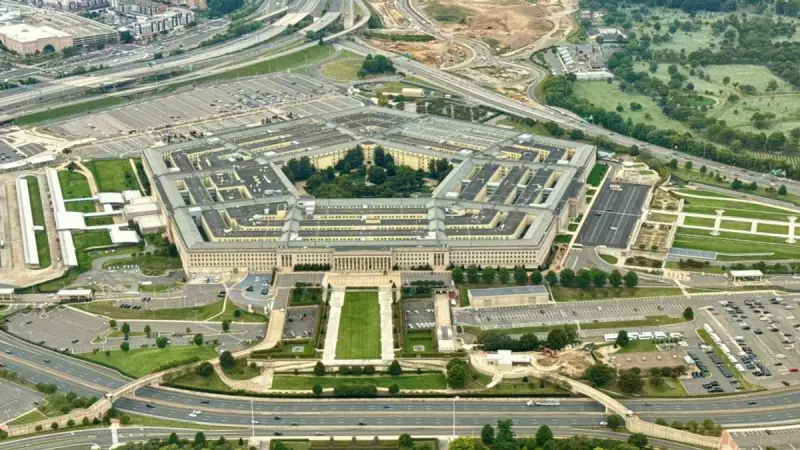
In a significant move that blends bipartisan congressional will with a complex foreign policy landscape, US President Donald Trump has signed the expansive National Defense Authorization Act (NDAA) for 2026 into law. The legislation, valued at approximately $900 billion, was enacted on Thursday, 19th December 2025, marking a critical annual ritual in Washington's defence planning.
Bipartisan Push for European Security
This defence policy bill arrives amidst notable tension between the White House's strategic rhetoric and the stance of US lawmakers. While President Trump's administration has recently expressed scepticism towards NATO allies and questioned Europe's strategic value, the NDAA reflects a strong, cross-party determination in Congress to maintain a firm US commitment to the continent. The act effectively serves as a congressional check on any potential rapid disengagement from Europe.
White House spokesperson Anna Kelly outlined key provisions, stating the law raises pay for American troops, advances a "PEACE THROUGH STRENGTH agenda," and funds the "Golden Dome" air and missile defence system championed by Trump. She also highlighted that the bill "removes woke priorities" by cutting diversity, equity, and inclusion (DEI) programmes and mandates promotions based on merit.
Key Provisions: Troops, Ukraine, and Beyond
The NDAA includes several concrete measures designed to anchor US military presence abroad. Crucially for European allies concerned by Trump's posture, the legislation bars US troop levels in Europe from falling below 76,000 for more than 45 days and restricts the removal of major military equipment. This provision ties the Pentagon's hands regarding any swift drawdown.
Furthermore, the bill boosts resources for NATO's frontline states, particularly in the Baltic region, reinforcing the alliance's northeastern flank. In a display of congressional assertiveness, the final authorised budget is roughly $8 billion more than the administration had initially requested.
Beyond Europe, the act locks in $400 million in security assistance for Ukraine, ensuring a baseline of support continues amid ongoing broader funding debates. It also places new limits on reducing the 28,500 US troops stationed in South Korea.
Passage and Political Context
The bill's journey to the President's desk was smooth, with the Senate passing it easily on Wednesday, 18th December, following the House of Representatives' approval the previous week. Its success underscores the NDAA's status as must-pass legislation, even in a deeply divided political climate.
The passage occurs against a backdrop of unease in European capitals. Recent White House strategy documents have painted Europe as over-regulated and insufficiently committed to its own defence, echoing themes from far-right parties and fueling fears of a widening transatlantic rift. The NDAA, therefore, stands as a legislative counterweight to such narratives.
As with any major defence bill, the NDAA faced criticism from various angles, including from conservatives opposed to Ukraine aid and safety experts concerned about aviation provisions. However, these objections were not enough to derail the comprehensive package, which now sets the US military's policy and spending priorities for the coming year.




