
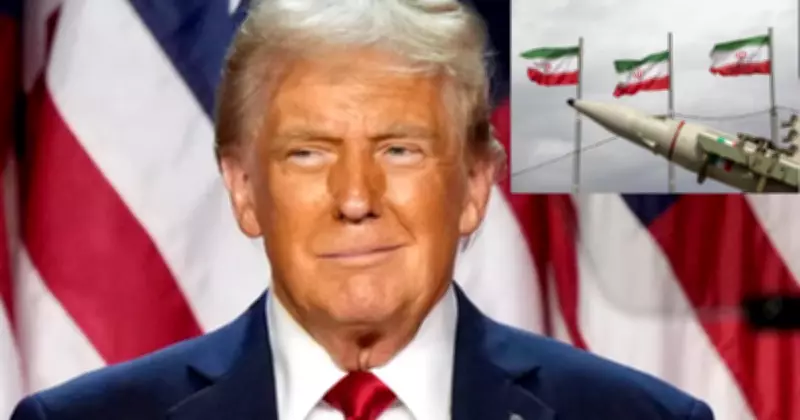
Trump Issues Stark Conditions for Peace with Iran Following Ceasefire Agreement
In a significant development in Middle East diplomacy, U.S. President Donald Trump has laid out explicit conditions for achieving lasting peace with Iran, centering on nuclear disarmament and maritime security. The announcement comes shortly after the United States and Iran agreed to a two-week ceasefire, temporarily halting hostilities that had escalated over recent weeks.
'No Nuclear Weapon' Demand and Strait of Hormuz Access
President Trump, in a strongly worded social media statement, emphasized that peace with Iran depends fundamentally on two key requirements. First, Iran must completely abandon any ambitions to develop nuclear weapons. Second, the strategically vital Strait of Hormuz must remain open and secure for international shipping traffic.
The Strait of Hormuz represents one of the world's most critical maritime chokepoints, with approximately one-fifth of global oil shipments passing through this narrow waterway connecting the Persian Gulf to international waters. Any disruption in this area has immediate and severe consequences for global energy markets and regional stability.
U.S. Military Forces Remain Deployed and Ready
Trump made clear that American military assets will not withdraw despite the temporary ceasefire. "All U.S. ships, aircraft and military personnel... will remain in place in and around Iran until the real agreement reached is fully complied with," the President wrote, adding a stark warning about potential consequences if Iran fails to meet the conditions.
"If for any reason it is not complied with... the shooting starts bigger, better and stronger than anyone has ever seen before," Trump declared, signaling that military action could resume with greater intensity if negotiations collapse.
Fragile Ceasefire and Diplomatic Mediation
The temporary truce was reportedly mediated through diplomatic channels involving Pakistan, with Prime Minister Shehbaz Sharif and Field Marshal Asim Munir playing key roles in facilitating the agreement between the United States and Iran. This ceasefire aims to create space for negotiations on a longer-term peace arrangement.
However, reports indicate the agreement remains fragile amid ongoing regional hostilities and disagreements over the exact terms of the truce. Tensions continue to run high despite the pause in direct attacks, with both sides maintaining military readiness.
Strategic Implications and Regional Stability
Trump's latest message appears strategically designed to pressure Tehran into full compliance with the ceasefire framework while simultaneously signaling that U.S. military forces remain prepared to resume operations if negotiations fail. The aggressive tone of the statement contrasts with the diplomatic opportunity presented by the temporary truce.
This narrow diplomatic window could determine whether the conflict escalates once more or moves toward a broader, more sustainable peace agreement. The conditions set by Trump reflect longstanding U.S. concerns about Iran's nuclear program and the security of vital international shipping lanes.
As the two-week ceasefire period progresses, international observers will be closely monitoring whether Iran demonstrates compliance with Trump's demands and whether negotiations can produce a more permanent resolution to the tensions that have threatened regional stability and global energy security.




