
As the clock struck midnight on December 31, 2025, marking their fourth New Year's Eve since the full-scale Russian invasion began, the people of Ukraine shared a common, heartfelt wish for 2026: a lasting peace and an end to the crippling power outages that have plunged their lives into darkness.
Adapting to a Life of Darkness and Danger
The winter of 2025 saw Russia intensify its campaign of strikes against Ukraine's critical energy infrastructure. This strategy left hundreds of thousands without power and heating as temperatures dropped below freezing, creating a humanitarian crisis. In the Kyiv suburb of Vyshgorod, residents endured a grueling four-day blackout that ended just in time for the new year celebrations.
Kostiantyn Biden, a local ceiling fitter, experienced the harsh reality of this attack firsthand when his apartment building lost both power and water. "What else can we wish for? At a time like this, nothing else comes to mind," he told AFP, echoing the sentiment of many who simply desire for the war to end "as soon as possible."
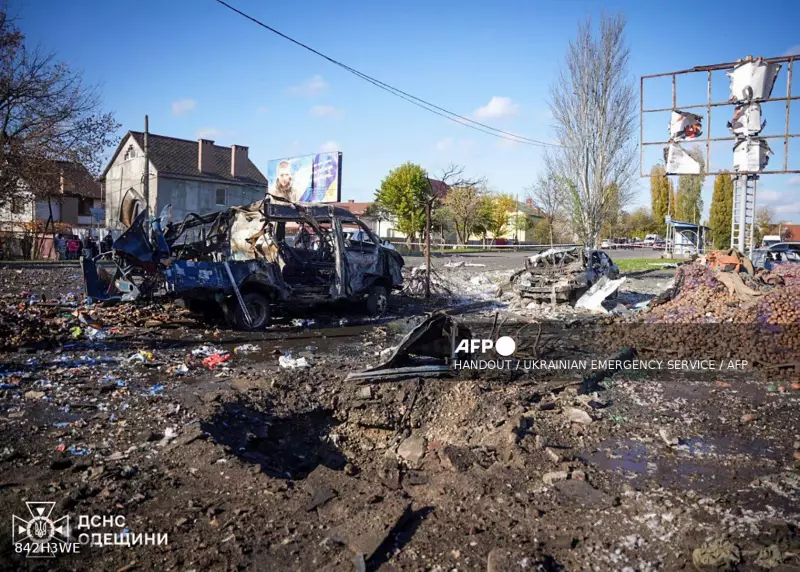
The conflict's brutality was further highlighted by an incident on November 14, 2025, in the southern city of Chornomorsk in the Odesa region. A Russian drone struck a local market, killing two people and wounding seven others, according to regional governor Oleg Kiper.
Resilience in the Face of Adversity
Despite the near-daily drone and missile attacks that have characterized the war since February 2022, Ukrainian resilience shines through. Daria Lushchyk, manager of a beauty salon in Vyshgorod, described the immense challenges of operating during air raids and blackouts. Her staff had to finish servicing clients in shelters, and the power outages made work "hell."
Yet, business continues. "Everyone has somehow adapted and understands that stopping is absolutely not an option," Lushchyk stated. "Nothing can stop our Ukrainian girls from coming in and getting themselves glam." Her biggest wish for 2026? "Of course, peace," she said, though she superstitiously cautioned against saying wishes aloud lest they not come true.
Authorities in Vyshgorod established "resilience centres" during the blackout where residents could charge their phones—a small but vital service in a disconnected world. Longtime resident Ivan Oleksiiovych lamented the "heavy bombing" and "stupid" attacks his town had suffered.
A Somber Celebration and Hopes for Light
For many, like pensioner Neonila, there was "no joy" this New Year. Ukrainians have adapted to outages, using candles and phone flashlights, but the spirit of celebration is dimmed. "We'll celebrate at home, modestly, with no frills," she shared. She expressed reluctance to make plans for 2026, focusing instead on a fundamental need: "That there be light. Everything else will follow."
Russia has denied targeting civilians, framing its invasion as a "special military operation" necessary to prevent NATO expansion—a claim Kyiv and its allies firmly reject. The war, Europe's deadliest since World War II, has caused a tidal wave of destruction, displacing millions and reducing entire cities to ruins. Currently, Russian forces occupy approximately one-fifth of Ukraine's territory.
International efforts to broker peace continue, with US President Donald Trump engaging in talks with both sides. However, these discussions have yet to extract major concessions from the Kremlin. As 2026 begins, the people of Ukraine hold onto their twin hopes: for the silence of peace and the hum of returning electricity.




