
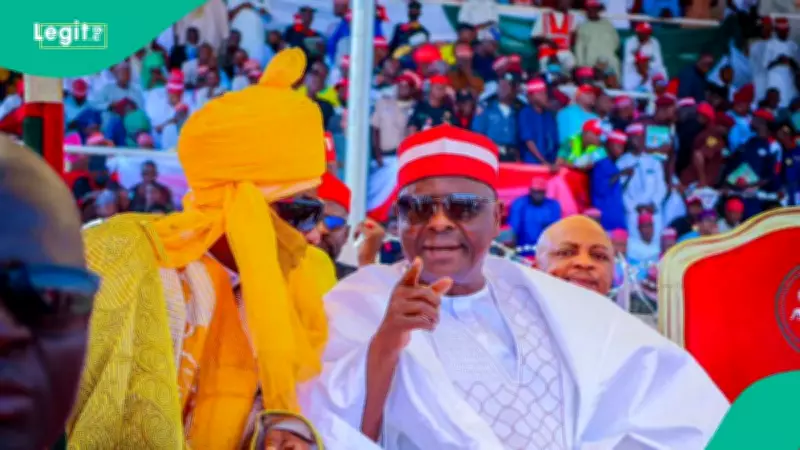
US Lawmakers Introduce Bill to Sanction Kwankwaso and MACBAN Over Religious Freedom Concerns
In a significant development affecting Nigeria-US relations, five American lawmakers have introduced legislation to the US Congress seeking to impose sanctions on prominent Nigerian political figure Rabiu Musa Kwankwaso and the Miyetti Allah Cattle Breeders Association of Nigeria (MACBAN). The proposed bill, filed on Tuesday, February 10, 2026, alleges systematic violations of religious freedom and persecution of Christians in Nigeria.
Details of the Proposed Sanctions Legislation
The bill, which has been posted on the official US Congress website, specifically names Kwankwaso, the leader of the New Nigeria People's Party (NNPP), along with MACBAN and Miyetti Allah Kautal, as entities contributing to what it describes as persistent religious persecution of Christians in Nigeria. If passed into law, the legislation would authorize the US Departments of State and Treasury to implement sanctions including visa bans and asset freezes against individuals or organizations found responsible for severe religious freedom violations.
According to the bill's language, Kwankwaso is identified as one of the individuals allegedly involved in these violations, though specific evidence supporting this claim has not been publicly detailed in the legislative text. The timing of this proposed legislation coincides with increased scrutiny of Nigeria's religious freedom record under the administration of US President Donald Trump.
Bashir Ahmad's Defense of Kwankwaso
Bashir Ahmad, former personal assistant on new media to the late President Muhammadu Buhari, has publicly questioned the inclusion of Kwankwaso's name in the proposed sanctions bill. In a 56-word statement posted on X (formerly Twitter) on Wednesday, February 11, Ahmad expressed genuine surprise at Kwankwaso's inclusion while acknowledging he wasn't officially representing the NNPP leader.
Ahmad's statement read: "I am not holding a brief for Sen. Rabiu Kwankwaso, but I genuinely wonder how his name appeared there. All the time I have known him and throughout his service as Governor, Minister of Defence, Senator and now as a political leader, he has consistently taken a firm stance against terrorism and terrorists in all forms."
Ahmad emphasized Kwankwaso's extensive political career, which includes serving as Governor of Kano State, Minister of Defence, Senator, and currently as a major opposition political leader. The former presidential aide highlighted what he described as Kwankwaso's consistent anti-terrorism position throughout these various roles in Nigerian governance.
US Military Deployment and Security Partnership
The proposed sanctions legislation comes amid broader developments in Nigeria-US security relations. According to Reuters reporting on February 10, the United States plans to deploy approximately 200 troops to Nigeria to train the country's military forces. This deployment would supplement a small contingent of American military personnel already present in Nigeria.
This increased security partnership follows President Trump's redesignation of Nigeria as a "country of particular concern" over allegations of Christian genocide. The US has taken previous military actions in Nigeria, including strikes on what were described as "terrorist" targets on December 25, 2025, which were reportedly conducted in coordination with Nigerian authorities.
The Nigerian federal government, led by President Bola Tinubu, has stated it is working collaboratively with Washington to improve security conditions while denying any systematic persecution of Christians exists in the country. Nigerian government officials have not yet issued public comments specifically addressing the proposed sanctions legislation targeting Kwankwaso and MACBAN.
Political Context and NNPP Response
The development occurs against the backdrop of Nigerian political dynamics ahead of the 2027 elections. Ladipo Johnson, national spokesperson for the NNPP, has previously dismissed rumors suggesting Kwankwaso was negotiating with the ruling All Progressives Congress (APC) regarding potential defection. The NNPP has consistently quashed reports indicating any such political maneuvering was underway.
Kwankwaso, a significant opposition figure who contested the 2023 presidential election, maintains considerable political influence particularly in northern Nigeria. His inclusion in the proposed US sanctions legislation represents a notable international dimension to Nigeria's domestic political landscape.
The Miyetti Allah Cattle Breeders Association of Nigeria (MACBAN), also named in the proposed bill, is a prominent pastoralist organization that has been involved in various discussions regarding farmer-herder conflicts in Nigeria. The organization's inclusion alongside Kwankwaso suggests lawmakers view multiple actors as contributing to religious freedom concerns.
As this situation develops, observers will be monitoring both the progress of the legislation through the US Congress and responses from Nigerian authorities and the individuals named in the proposed sanctions. The intersection of international religious freedom concerns, security partnerships, and domestic Nigerian politics creates a complex diplomatic scenario with potential implications for bilateral relations between Nigeria and the United States.




