
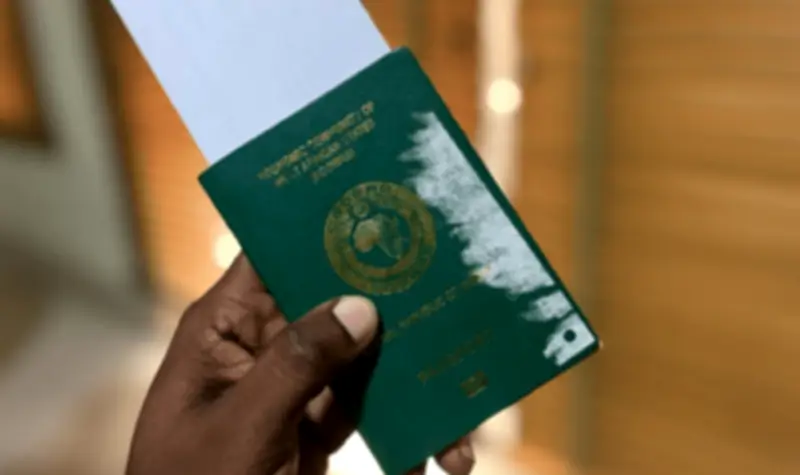
The United States Mission in Nigeria has issued a firm warning to Nigerian passport applicants against the use of artificial intelligence (AI) or digitally edited photographs. In an official reminder posted on its X account on Friday, July 31, the mission stated that passport photos altered through AI tools, beauty filters, or any digital enhancement will be rejected outright. This announcement serves as a critical update for Nigerians planning to apply for U.S. visas or passports, as the mission insists on photo authenticity to uphold border security and identity verification standards.
The mission clarified that passport photographs must be genuine, recent, and accurately reflect the applicant's current appearance. It advised applicants to avoid AI-powered editing software, retouching apps, and beauty filters when taking their passport photos. The official statement read: "Reminder! Do NOT use AI or digital editing tools on your passport photo. We will not accept photos that are edited or filtered." This directive aligns with U.S. immigration requirements.
Why the U.S. Enforces Strict Passport Photo Rules
Passport photographs serve as a primary means of identification for travelers entering the United States. The U.S. Mission in Nigeria reiterated that applicants' photos must have been taken within the last six months and must closely resemble the applicant. The mission emphasized: "Your photo should be recent (taken within the past six months) and look like you (the TSA or CBP agent must be able to tell it's you)."
This six-month rule helps U.S. border protection officers verify that the traveler is the same person pictured in the passport. Physical changes such as aging, weight fluctuations, or altered hairstyles can affect facial recognition. For Nigerian applicants, using an old photo or one edited to look different could raise questions and lead to further scrutiny.
Consequences of Submitting an AI-Edited Photo
The U.S. Mission in Nigeria warned that submitting a digitally enhanced photograph could significantly delay the processing of a passport application. It stated, "Submitting a digitally enhanced photo will significantly delay your application." Applicants may also face outright rejection, forcing them to restart the process, incur additional costs, and wait longer for their passports.
Even subtle digital edits, such as skin smoothing, eye brightening, or background adjustments, are unacceptable. U.S. authorities are trained to detect these alterations and may flag the application for secondary review. The mission's reminder emphasizes that photo integrity is non-negotiable.
What Nigerian Applicants Should Do
To avoid complications, applicants are encouraged to visit professional passport photo studios that meet U.S. specifications. They should also consult the U.S. Department of State's official passport photo guidelines for detailed information on acceptable dimensions, backgrounds, lighting, and facial expressions. The embassy explicitly recommended that applicants review these guidelines before submitting their applications.
Passport photos must be clear, front-facing, and taken with a neutral expression. The core principle is that the photo must reflect the applicant's true appearance. The mission's reminder serves as a guide for Nigerian applicants to ensure their submissions are processed without delays.
Impact on Nigerian Travelers
This warning applies to all Nigerian passport applicants, including those who use digital editing for other official documents. U.S. passports require strict adherence to international standards, and failure to comply can result in application delays or denials. Nigerian travelers who submit unaltered, recent photos will have a smoother experience.
The reminder was posted on July 31, 2026, on X (formerly Twitter). The mission highlighted that applicants must ensure their photo looks like them. For those who have already submitted an edited photo, it is advisable to contact the relevant authorities to rectify the issue before the application is reviewed.




