
U.S. Initiates Evacuation of Citizens from Nigeria Amid Escalating Security Threats
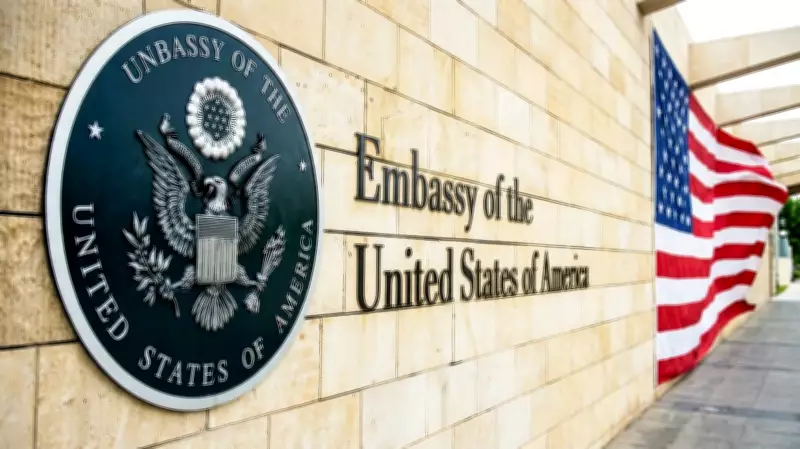
The United States government has officially commenced the evacuation of its personnel and their families from Nigeria, pointing to a rapidly worsening security environment across multiple regions of the country. In a formal advisory released on Wednesday, the U.S. Department of State confirmed that non-essential staff and relatives associated with the U.S. Embassy in Abuja have been granted authorization to depart immediately.
Security Review Leads to Critical Decision
According to the detailed statement, this significant decision followed an extensive review of the prevailing security conditions, which Washington has characterized as deteriorating. The advisory explicitly stated, “Nigeria: On April 8, 2026, the Department of State authorised non-emergency U.S. government employees and U.S. government employee family members to leave U.S. Embassy Abuja due to the deteriorating security situation.” This move underscores the heightened level of concern regarding safety and stability in Nigeria.
Travel Advisory and Risk Assessment
The U.S. has maintained Nigeria at Level 3 on its travel risk scale, which strongly urges American citizens to reconsider any planned trips to the nation. The advisory highlighted that security concerns remain pervasive and widespread, encompassing a range of serious threats including:
- Incidents of violent crime
- Terrorist activities and attacks
- Civil unrest and protests
- Kidnapping for ransom operations
- Challenges in accessing consistent and reliable healthcare services in certain areas
The statement further elaborated, “Reconsider travel to Nigeria due to crime, terrorism, unrest, kidnapping, and inconsistent availability of health care services. Some areas have increased risk.” While the advisory does not impose a full travel ban, U.S. authorities have explicitly discouraged visits to most northern states as well as parts of the South-East and South-South regions.
High-Risk Zones Identified
Specific high-risk zones have been named, including the states of Abia, Anambra, Bayelsa, Delta, Enugu, Imo, and certain sections of Rivers State. These areas have been flagged due to elevated threats and instability, making them particularly dangerous for foreign nationals and travelers.
International Context and Terrorism Index
This evacuation initiative occurs against a backdrop of growing international apprehension regarding Nigeria’s security outlook. In its recent Global Terrorism Index released on March 19, 2026, the Institute for Economics & Peace ranked Nigeria as the fourth most affected country by terrorism worldwide. The report documented a sharp and alarming rise in fatalities linked to terrorist activities, with deaths increasing by a staggering 46 per cent in 2025 under the administration of President Bola Ahmed Tinubu. This data highlights the escalating nature of the security crisis and provides context for the U.S. government’s precautionary measures.
The evacuation of U.S. citizens from Nigeria represents a significant development in international diplomatic and security relations, reflecting the serious challenges posed by insecurity in the region. It serves as a stark reminder of the ongoing struggles with crime, terrorism, and instability that continue to impact the nation and its global partnerships.




