
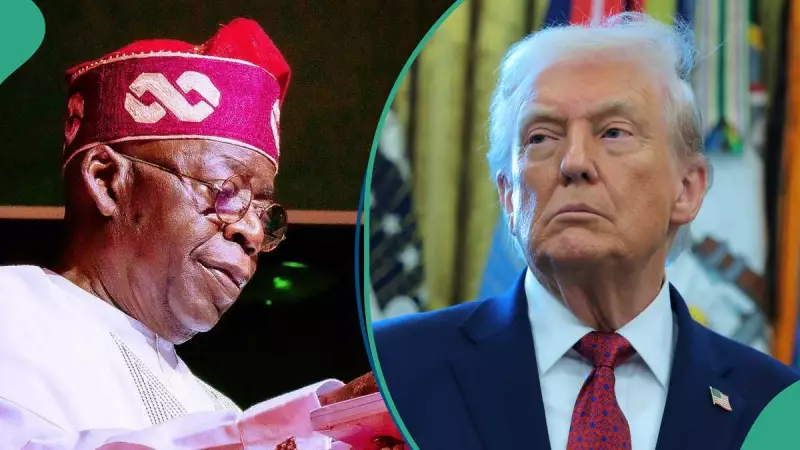
The United States government has moved to clarify the rationale behind its recent announcement of new visa restrictions for Nigerian citizens, stating the primary goal is to enhance security protocols rather than to penalize individuals.
Ambassador Mills Provides Official Clarification
United States Ambassador to Nigeria, Richard Mills, addressed the issue directly on Sunday, December 21, in Abuja. He spoke during a visit by a United States Congressional Delegation to the country. Mills emphasized that the presidential proclamation, which is scheduled to become active on January 1, 2026, is a component of broader border security measures undertaken by Washington.
He explicitly rejected the notion that the restrictions are punitive. "The focus of the visa review is on ensuring proper vetting and credible information in the visa process, not on penalising Nigerians," the ambassador stated. He explained that the policy was instituted to improve screening standards and guarantee the reliability of information used during visa adjudication.
Specifics of the Proclamation and Exemptions
According to Ambassador Mills, the proclamation clearly defines which specific visa categories will be impacted. Importantly, it also outlines exemptions for certain groups. Holders of official and diplomatic passports are among those exempted from the new limits. The ambassador also listed individuals traveling to the United States for religious purposes as being exempt.
Mills urged Nigerians seeking accurate information to consult official sources. He directed the public and potential visa applicants to the US Embassy's website for complete details on the proclamation, the affected categories, and the available exemptions. For specific inquiries, he encouraged the use of the embassy's designated communication channels to avoid misinformation from unofficial platforms.
US Lawmakers Frame Restrictions as Routine Tool
Echoing the ambassador's sentiments, the leader of the visiting US Congressional Delegation, Representative Bill Huizenga, characterized such visa reviews and restrictions as standard instruments of US foreign policy. He described them as tools used to encourage compliance and cooperation with partner nations.
Huizenga clarified that these measures are typically directed at government systems and administrative processes, not at individual citizens. He added that similar reviews are routinely applied to various regions across the globe, framing the action as a strategic, rather than a singular, decision.
The development follows the signing of a proclamation by President Donald Trump on Tuesday, December 16, which expanded existing US travel controls. Nigeria was included among several nations subjected to new, partial restrictions, citing security and compliance considerations.




