
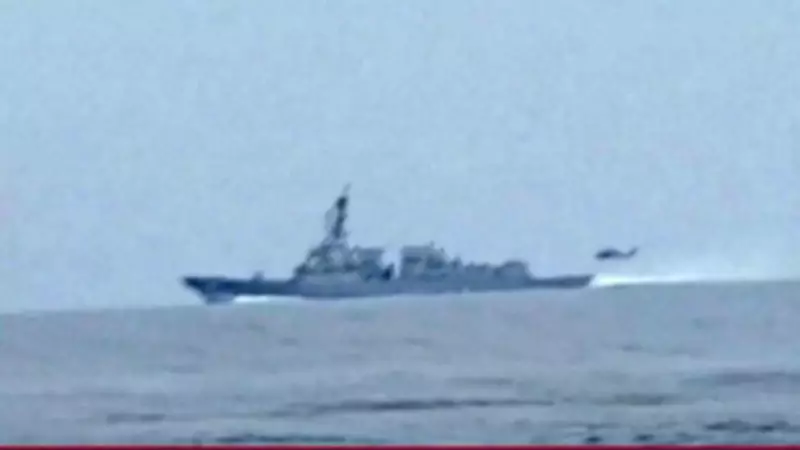
US Fully Implements Naval Blockade on Iranian Ports, Cutting Off Vital Sea Trade
The United States has now fully enforced a comprehensive naval blockade targeting all Iranian ports and maritime vessels, a decisive action that effectively severs Tehran's access to international sea trade, which powers approximately 90% of its national economy. This significant development was officially confirmed by the U.S. Central Command in a detailed statement released late on Tuesday, April 14, 2026, marking a critical escalation in ongoing geopolitical tensions.
Blockade Details and Economic Impact
According to the Central Command, the blockade has been completely implemented, with U.S. military forces successfully halting all economic trade flowing into and out of Iran via sea routes. This move directly impacts Iran's economic stability, as maritime commerce constitutes the backbone of its financial infrastructure, accounting for nearly all of its international trade activities. The enforcement follows a direct order from U.S. President Donald Trump, which took effect on Monday morning, after ceasefire negotiations with Iranian officials over the weekend largely collapsed without a substantive agreement.
Strategic Objectives and Ceasefire Dynamics
The blockade is widely perceived as a strategic maneuver aimed at intensifying pressure on Tehran to engage in and finalize a ceasefire deal. President Trump, in comments to Fox Business anchor Maria Bartiromo during an interview at the White House on Tuesday evening, expressed optimism that the conflict is nearing its conclusion, stating, "I think it's close to over... I mean I view it as very close to over." Despite the stalled weekend talks in Pakistan, Trump indicated that further discussions could resume within the next two days, suggesting a potential window for diplomatic resolution remains open.
Potential Complications and Regional Implications
However, the imposition of this naval blockade introduces new complexities into the ceasefire negotiation process. Analysts warn that such a hardline approach might hinder diplomatic efforts, potentially prolonging hostilities. Additionally, the blockade could precipitate increased shipping disruptions in the strategically vital Strait of Hormuz, a key global oil transit chokepoint, raising concerns about broader regional instability and impacts on international maritime security.
Washington has hinted that more talks are possible, especially with a fragile two-week ceasefire set to expire next week. This timing adds urgency to the situation, as both nations navigate the delicate balance between military posturing and diplomatic engagement. The full enforcement of the blockade underscores the U.S.'s commitment to leveraging economic sanctions as a tool to compel Iranian compliance, while simultaneously testing the resilience of Tehran's economy in the face of unprecedented external pressure.




