
US-Iran Negotiations End Without Deal After Marathon 21-Hour Session in Islamabad
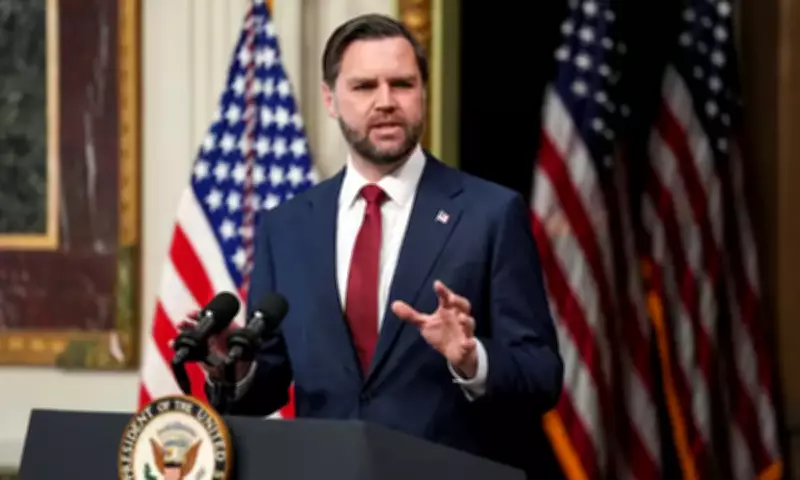
The United States and Iran have concluded their highest-level diplomatic meeting since the 1979 Islamic Revolution without reaching any agreement, following an intensive 21-hour negotiation session in Islamabad, Pakistan's capital. US Vice President JD Vance, who led the American delegation, confirmed the breakdown, attributing it to Tehran's refusal to accept Washington's proposed terms.
Vance's Departure and Statements
Shortly before departing Islamabad, Vance addressed reporters, emphasizing the significance of the failed talks. "The bad news is that we have not reached an agreement, and I think that's bad news for Iran much more than it's bad news for the United States of America," he stated. This meeting marked the most senior engagement between the two nations in over four decades, highlighting the gravity of the discussions.
According to Al Jazeera, Vance's exit does not necessarily signal the end of negotiations. Correspondent John Hendren, reporting from Washington, DC, noted that President Donald Trump's decision to send Vance demonstrated the US's serious commitment to these talks. "The fact that Vance left doesn't necessarily mean that the talks are over," Hendren explained, pointing to ongoing remote negotiation possibilities.
Key Sticking Points in the Talks
The negotiations encountered major obstacles, primarily centered on:
- The Strait of Hormuz: Iran's continued control over this critical maritime chokepoint remains a contentious issue.
- Nuclear Demands: The US is insisting not only that Iran pledge to refrain from developing nuclear weapons but also that it commit to not even attempting to access such capabilities.
Hendren elaborated that similar gaps in the mid-2010s prolonged negotiations for years, suggesting a challenging road ahead. "The US has been negotiating with Iran over time; those talks can continue remotely, and leaving those talks may simply be a hard stance," he added, indicating strategic posturing by the US delegation.
Iran's Response and Regional Diplomacy
Iran's Ministry of Foreign Affairs responded on Sunday, with spokesperson Esmaeil Baghaei stating via state broadcaster IRIB that no one had anticipated a single-session agreement. "Naturally, from the beginning, we should not have expected to reach an agreement in a single session. No one had such an expectation," Baghaei said. He expressed confidence that diplomatic contacts with Pakistan and other regional allies would persist.
Pakistan's Foreign Minister Ishaq Dar acknowledged the efforts of both nations and urged continued dialogue. "On behalf of Pakistan, I would like to express gratitude to the two sides for appreciating Pakistan's efforts to achieve a ceasefire and its mediator role," Dar stated. He called for a positive spirit to achieve lasting peace and prosperity for the region and beyond.
The collapse of these talks underscores the deep-seated tensions between the US and Iran, with nuclear proliferation and regional security at the forefront. As both sides regroup, the potential for remote negotiations offers a glimmer of hope, but the fundamental disagreements suggest a protracted diplomatic struggle ahead.




