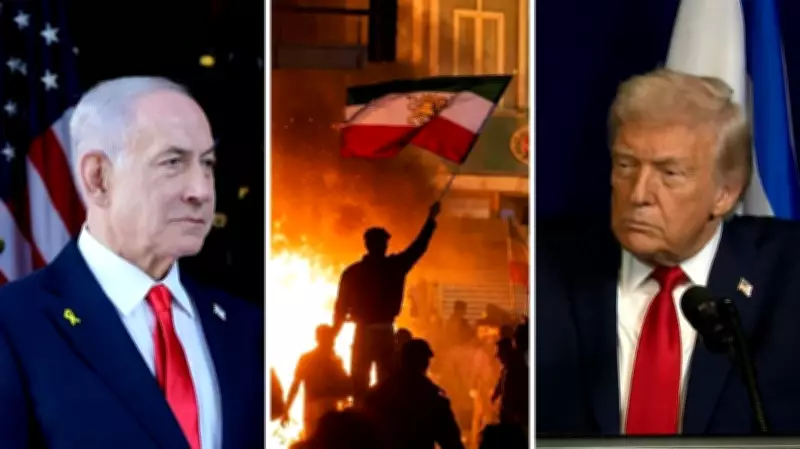
US and Israel Execute Coordinated Pre-emptive Military Strikes Against Iran
In a dramatic escalation of regional hostilities, Israel announced it carried out a pre-emptive military operation against Iran early Saturday, with coordination from the United States. Israeli Defence Minister Israel Katz stated the strikes were aimed at neutralizing what he described as imminent threats to the State of Israel.
The State of Israel launched a pre-emptive attack against Iran to remove threats to the State of Israel, Katz declared. An Israeli defence official revealed the operation had been coordinated with Washington and was months in the planning, with timing finalized weeks ago.
Immediate Regional Responses and Security Measures
Sirens sounded throughout Israel shortly after the strikes, with advance instructions sent directly to cellular devices advising citizens to stay near protected spaces. The Israeli military described these alerts as precautionary, warning of potential retaliatory missile fire from Iran.
Israeli authorities implemented stringent security measures including:
- Closure of schools and non-essential workplaces
- Ban on public gatherings
- Shutdown of civilian airspace
- Advisories against travel to airports
Reports from Iranian Territory and International Confirmation
Explosions were reported in Tehran, Iran's capital, with Iranian state television acknowledging blasts near offices linked to Supreme Leader Ayatollah Ali Khamenei. Multiple international sources confirmed the military action extended beyond Tehran.
The New York Times, citing a US official, reported American strikes on Iran were also underway. Reuters, quoting a separate source, indicated Iran's Supreme Leader had been moved from Tehran to a secure location following the attacks.
Background and Diplomatic Context
This military escalation follows a 12-day aerial confrontation between Israel and Iran in June and repeated warnings from both Israel and the United States that further military steps would be taken if Tehran continued advancing its nuclear and ballistic missile programmes.
The strikes occur despite renewed diplomatic efforts between Washington and Tehran. Talks resumed in February attempting to resolve the long-running dispute over Iran's nuclear ambitions, though significant differences remained:
- Israel insists any agreement must include dismantling Iran's nuclear facilities and restricting missile programmes
- Tehran has signaled willingness to limit aspects of nuclear activities for sanctions relief
- Iran has rejected linking negotiations to its missile capabilities
Regional Implications and Future Concerns
The coordinated military action casts fresh doubt on prospects for negotiated settlement and heightens concerns about further instability across the Middle East. Regional analysts warn this escalation could trigger broader conflict involving multiple state and non-state actors in the volatile region.
The timing of the strikes, coming during renewed diplomatic engagement, suggests calculated military planning rather than spontaneous response. Both Israeli and American officials have emphasized the pre-emptive nature of the operation, though Iranian responses remain unpredictable as the situation continues to develop.