
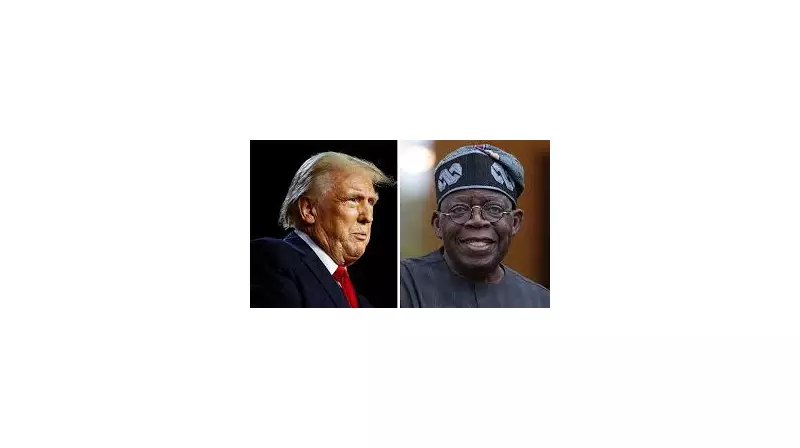
The United States government has taken a significant step by announcing new visa restrictions specifically targeting Nigerian individuals. The move is a direct response to allegations of undermining religious freedom within the country.
Announcement from the Secretary of State
This major policy shift was disclosed by the United States Secretary of State, Marco Rubio, via a post on the social media platform X (formerly Twitter). The announcement was made on the evening of Tuesday, December 3. In his statement, Rubio outlined the specific criteria for the sanctions.
Who Will Be Affected by the Restrictions?
The new US visa restrictions are designed to impact Nigerians who are found responsible for violations against religious freedom. According to the Secretary of State, the sanctions will apply to individuals who "knowingly direct, authorize, fund, support, or carry out violations of religious freedom".
This broad definition suggests the US is targeting not just direct perpetrators, but also those in positions of authority or influence who enable such actions. The policy underscores the US government's commitment to holding individuals accountable for actions that suppress religious expression and practice.
Implications and Potential Consequences
The imposition of these visa bans carries several immediate and symbolic consequences. For the individuals directly targeted, it means a loss of access to travel to the United States, which can affect business, education, and family connections.
On a broader scale, this action serves as a strong diplomatic signal from the United States regarding its stance on religious freedom in Nigeria. It places the issue firmly on the bilateral agenda and may prompt further discussions between the two nations. The announcement also highlights the increasing use of targeted visa sanctions as a tool for promoting human rights objectives internationally.
The development follows ongoing concerns from international observers and local groups about inter-religious tensions and incidents in parts of Nigeria. The US decision reflects a concrete measure taken based on these reported violations.




