
US Navy Intercepts Iranian Ship with Chinese Missile Chemicals
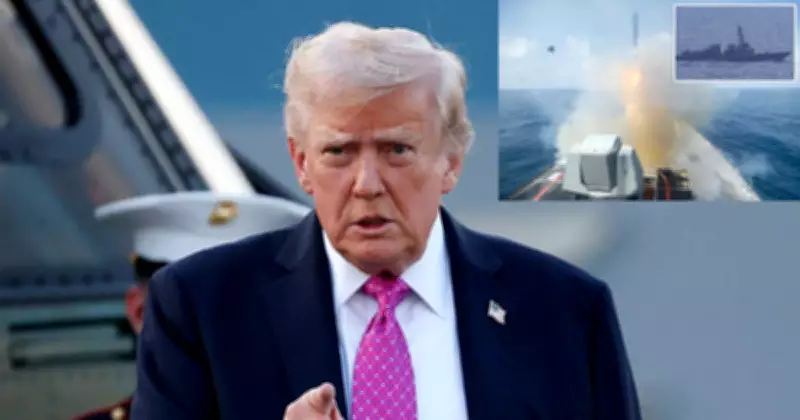
The United States military has confirmed the seizure of an Iranian-flagged cargo ship in the Gulf of Oman, which was transporting chemicals from China intended for the production of ballistic missiles. According to the Pentagon, the vessel named TOUSKA was intercepted by the US Navy after it failed to stop, leading to a controlled boarding operation.
Details of the Interception and Cargo
The ship was reportedly traveling from Beijing to Iran when it was seized in the strategic waters of the Gulf of Oman. US forces fired into the engine room to disable the vessel before taking control. The cargo included a large shipment of chemicals specifically used in the manufacturing of ballistic missiles, highlighting concerns over Iran's weapons development programs.
President Donald Trump announced the seizure on April 19, noting that the TOUSKA was already under US Treasury sanctions due to prior illegal activities. This action underscores ongoing efforts to curb Iran's military capabilities amid regional tensions.
Iranian Response and Regional Implications
In retaliation, Iran conducted drone attacks on a US Navy ship positioned in the Arabian Sea, escalating hostilities. This comes after the US previously stated that Iran was depleting its missile stockpiles following a weeks-long bombing campaign against Middle Eastern energy infrastructure.
The shipment from China was likely aimed at helping Iran replenish its weapons ahead of a potential resumption of military attacks, as a two-week ceasefire agreement with the US expired on April 20, 2026. The conflict has already led to an energy crisis due to the closure of the Strait of Hormuz, prompting international involvement.
Impact on US-China Relations
This seizure adds strain to US-China relations, occurring just days after President Trump announced an agreement with China to reopen the Strait of Hormuz, conditional on China halting weapons sales to Iran. China's Defence Minister had previously warned the US against interference, particularly after Trump ordered a blockade of the strait.
The incident is predicted to potentially deteriorate bilateral ties further, especially with President Trump's upcoming official state visit to China. Media outlets, such as FOX News, have described the event as evidence of China engaging in activities contrary to US interests.
Global Reactions and Coalition Efforts
The ongoing conflict between the US and Iran has drawn global attention, with the UK Prime Minister Keir Starmer and French President Emmanuel Macron leading a coalition of nations to deploy ships to the Middle East. Their goal is to ensure the opening and free passage of the Strait of Hormuz, mitigating the energy crisis caused by the regional instability.
This development highlights the complex geopolitical dynamics involving Iran's military ambitions, US enforcement actions, and China's role in international arms trade, all set against a backdrop of escalating tensions in the Middle East.




