
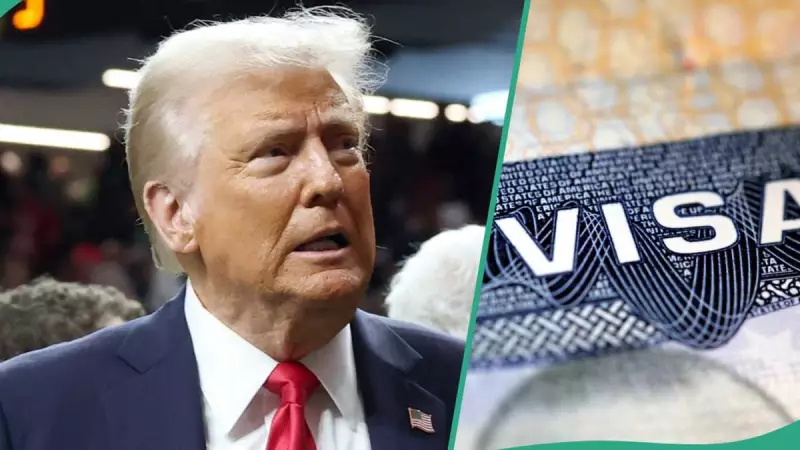
The United States government has made a significant announcement affecting travel from Nigeria and several other nations. In a move that will impact many intending travelers, the US has declared a partial suspension of visa issuance for citizens of 19 countries, including Nigeria.
Details of the US Visa Suspension Announcement
This policy shift was officially communicated by the US Mission in Nigeria via a post on the social media platform X (formerly Twitter) on Monday, December 22, 2025. The suspension is set to take effect from January 1, 2026, at 12:01 a.m. Eastern Standard Time (EST).
The Department of State clarified that this action is being implemented in accordance with Presidential Proclamation 10998, titled “Restricting and Limiting the Entry of Foreign Nationals to Protect the Security of the United States.” This indicates the suspension is framed as a national security measure.
Which Visas and Countries Are Affected?
The partial suspension applies to a specific range of visa categories for the listed countries. The affected visa types include:
- Nonimmigrant B-1/B-2 visitor visas (for business and tourism).
- F, M, and J student and exchange visitor visas.
- All immigrant visas, which are for those seeking permanent residence.
The 19 countries subject to this new rule are: Angola, Antigua and Barbuda, Benin, Burundi, Cote D’Ivoire, Cuba, Dominica, Gabon, The Gambia, Malawi, Mauritania, Nigeria, Senegal, Tanzania, Togo, Tonga, Venezuela, Zambia, and Zimbabwe.
Key Exceptions to the Visa Suspension
While the suspension is broad, the US government has outlined several important exceptions. These limited exemptions will allow visa processing to continue for:
- Immigrant visas for ethnic and religious minorities facing persecution in Iran.
- Dual nationals who apply using a passport from a nationality not included in the suspension list.
- Special Immigrant Visas (SIVs) for U.S. government employees and affiliates under specific legal provisions.
- Participants in certain major sporting events.
- Lawful Permanent Residents (LPRs) seeking to return to the United States.
This announcement has created immediate uncertainty for thousands of Nigerians and citizens of the other affected nations who had plans to travel to the United States for tourism, business, education, or family reunification in the new year. Prospective students, exchange program participants, and families awaiting immigrant visas are likely to be among the most directly impacted groups.
The development underscores a shift in US immigration policy and highlights the ongoing use of travel restrictions as a tool for national security objectives. It remains to be seen what the long-term diplomatic and bilateral implications of this decision will be for US relations with Nigeria and the other countries on the list.




