
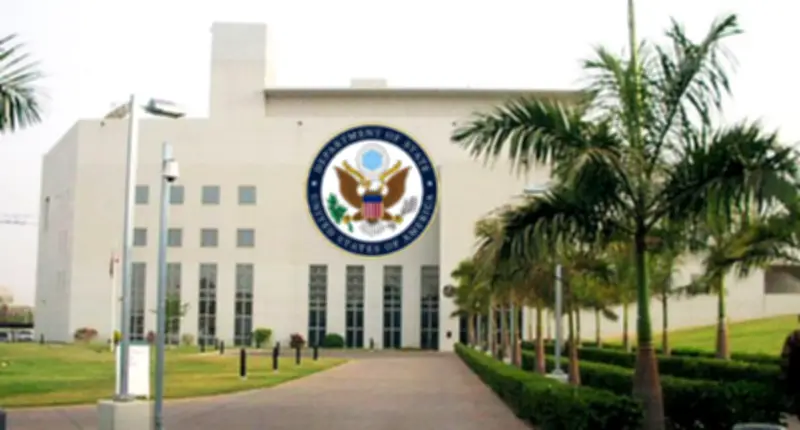
The United States Department of State has announced the discontinuation of routine visa services at its embassy in Abuja and 24 other diplomatic missions across Africa, effective August 1, 2026. This move is part of a broader restructuring aimed at strengthening national security, reducing government spending, and standardizing visa processing through regional hubs.
Affected Diplomatic Posts Across Africa
According to the State Department, the affected posts include the U.S. Embassy in Abuja, Nigeria, as well as embassies in Asmara, Bamako, Banjul, Brazzaville, Bujumbura, Conakry, Cotonou, Durban, Freetown, Gaborone, Harare, Juba, Libreville, Lilongwe, Lusaka, Maputo, Maseru, Mbabane, N'Djamena, Niamey, Nouakchott, Ouagadougou, and Windhoek. The changes also impact other diplomatic missions in the region, bringing the total to 25 locations that will cease routine visa processing.
Reasons for the Restructuring
The State Department stated that the realignment aligns with the Trump administration’s priorities to enhance the safety and security of Americans. “The Department of State is constantly evaluating its overseas operations in order to advance America’s priorities as efficiently and effectively as possible,” the department said in a statement. “This includes a visa process that maintains rigorous standards of security screening and vetting and aligns resources and operational capacity with America’s national interests.” The department emphasized that the Trump administration's highest priority is the safety and security of Americans, and that consular services for U.S. citizens will continue at all diplomatic posts.
Designated Regional Visa Hubs
Routine visa services will continue at designated hub locations, which include the U.S. Consulate in Lagos, Nigeria, as well as embassies and consulates in Abidjan, Accra, Addis Ababa, Cape Town, Dakar, Dar es Salaam, Djibouti, Johannesburg, Kampala, Kigali, Kinshasa, Lomé, Luanda, Malabo, Monrovia, Nairobi, Port Louis, Praia, and Yaoundé. These hubs will process both non-immigrant visas (such as tourist, business, and petition-based visas) and immigrant visas.
Impact on Visa Applicants
The State Department clarified that the changes will not affect visas that are already valid. However, applicants from the affected countries who wish to apply for a U.S. visa from August 1, 2026, must schedule appointments and pay required fees at the designated regional visa processing hubs. For Nigerians, this means that applicants who previously used the U.S. Embassy in Abuja for routine visa processing will now have to apply through the U.S. Consulate in Lagos or another designated regional hub.
Categories of Visas Affected
The restructuring covers immigrant visa categories, including immediate relatives (IR), family preference (FP), employment-based (EB), fiancé(e) (K) visas, adoption visas, diversity visas, and follow-to-join asylee and refugee (V92/V93) cases. The department also noted that existing visa suspensions under Presidential Proclamation 10998, visa bond requirements, and immigrant visa pauses affecting certain nationalities remain unchanged.
Assurance of Continued Operations
The State Department assured that the affected embassies and consulates will remain operational and continue carrying out their regular diplomatic and consular responsibilities, except for routine visa services. The department reiterated its commitment to maintaining rigorous security standards while optimizing resource allocation across its overseas missions.




