
U.S. Issues Travel Advisory for 23 Nigerian States Over Security Threats
The United States Department of State has issued a stern travel advisory, warning its citizens against traveling to 23 states in Nigeria. This advisory, released on April 9, 2026, cites multiple security risks, including terrorism, crime, civil unrest, and kidnapping, as primary reasons for the caution.
States with Severe Travel Restrictions
According to the latest update, U.S. citizens are advised to avoid travel to Plateau, Jigawa, Kwara, Niger, and Taraba states. These regions are highlighted due to a combination of terrorism, crime, and kidnapping threats. Additionally, the U.S. government noted inconsistent availability of healthcare services as a contributing factor in these areas.
States Requiring Reconsideration of Travel Plans
For Borno, Jigawa, Kogi, Kwara, Niger, Plateau, Taraba, Yobe, and Adamawa states, the Department of State urges U.S. citizens to reconsider any travel plans. The advisory emphasizes that these states face significant risks from terrorism, crime, and kidnapping, making them particularly hazardous for visitors.
Other High-Risk Areas
Further warnings extend to Bauchi, Gombe, Kaduna, Kano, Katsina, Sokoto, and Zamfara states, where civil unrest, crime, and kidnapping are prevalent. In the southeastern and Niger Delta regions, states such as Abia, Anambra, Bayelsa, Delta, Enugu, Imo, and Rivers (with the exception of Port Harcourt) are also flagged for similar security concerns.
Evacuation of Non-Emergency Personnel
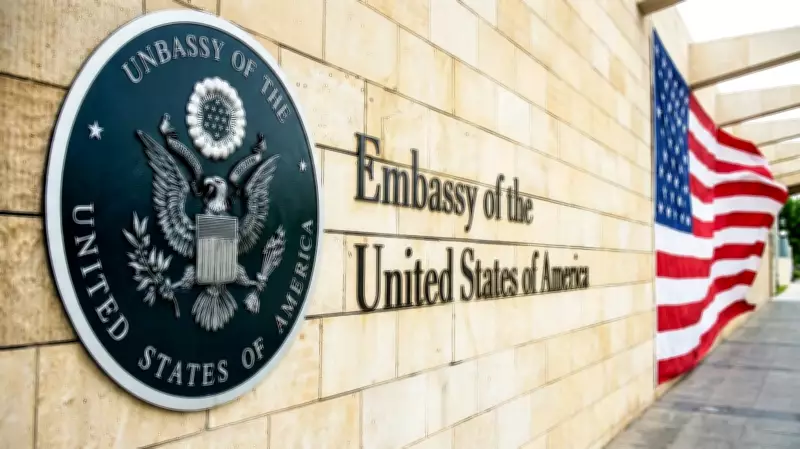
In response to the deteriorating security situation, the Department of State authorized the departure of non-emergency U.S. government employees and their family members from the U.S. Embassy in Abuja on April 8, 2026. This move underscores the severity of the threats faced in the country.
Detailed Security Concerns
The advisory provides a detailed breakdown of the violent crimes common in Nigeria, including:
- Armed robbery and assault
- Carjacking and kidnapping for ransom
- Hostage-taking and roadside banditry
- Rape and other forms of violent crime
Kidnappings for ransom are described as frequent, with dual-national citizens visiting Nigeria being primary targets. The Department of State warned that Americans are often perceived as wealthy, making them vulnerable to crime and kidnapping. Incidents include kidnapping gangs stopping drivers on interstate roads to rob and abduct victims.
Terrorism and Civil Unrest
The risk of terrorist violence remains high, with terrorists continuing to plot and carry out attacks across Nigeria. These groups often collaborate with local gangs to expand their reach, and attacks can occur with little or no warning. Potential targets include:
- Shopping centers, malls, and markets
- Hotels, places of worship, and restaurants
- Schools, government buildings, and transportation hubs
- Public gatherings and crowded areas
Additionally, civil unrest and armed gangs are active in the Niger Delta and Southeast regions, further complicating the security landscape. The Department of State advises U.S. citizens to exercise extreme caution and stay informed about local conditions when considering travel to Nigeria.




