The Federal Government's proposed 2026 budget is facing serious criticism from a leading civil society organization over fears it could push the country into deeper economic trouble.
Budget Structure Raises Red Flags
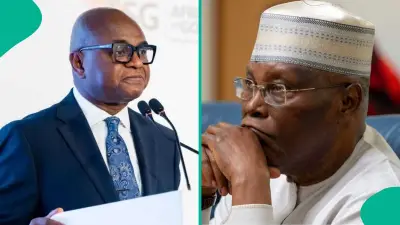
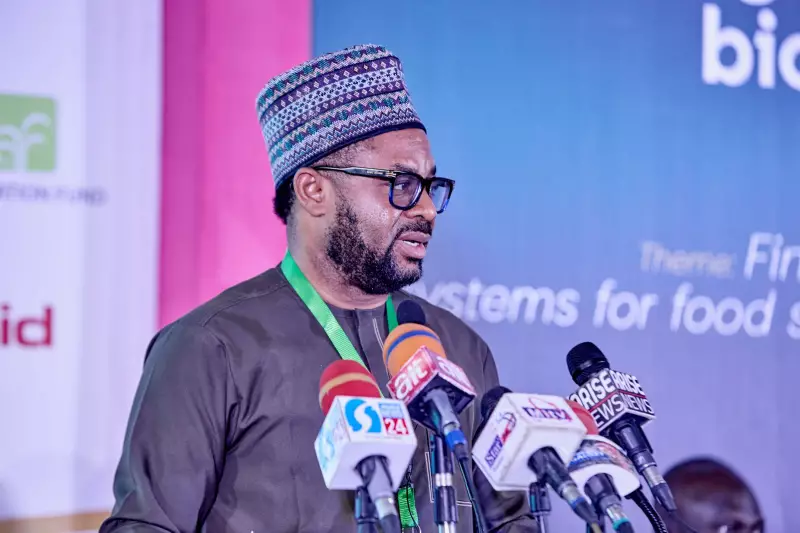
ActionAid Nigeria has voiced strong concerns about the N58.18 trillion 2026 Appropriation Bill. The Country Director, Andrew Mamedu, stated that while the budget shows a 5.8% increase from the 2025 plan, its core design is flawed. The organization highlighted that the financing model, the growing deficit, and poor allocations to key sectors pose a direct threat to Nigeria's fiscal health and inclusive development.
ActionAid pointed to a troubling pattern of budget management. The government revised the 2024 budget upwards from N35.06 trillion to N43.56 trillion and extended its implementation to December 31, 2025. Similarly, the 2025 budget was extended to March 31, 2026, with its size cut from N54.99 trillion to N48.32 trillion. The NGO argues that extending budgets without proper parliamentary review weakens accountability and encourages off-budget spending.
Simultaneous Budgets and Legislative Lapses
The practice of having the 2024, 2025, and proposed 2026 budgets running at the same time severely undermines transparency and legislative oversight, according to the statement. ActionAid also criticized the National Assembly for making changes to budget proposals after submission. These alterations, which include increasing sectoral allocations without clear financing plans, have led to persistent funding gaps, delayed releases, and unfinished capital projects.
These measures were described as "stop-gap and cosmetic," failing to address the root causes of Nigeria's recurring budget failures. The organization stressed the urgent need for amendments to the Fiscal Responsibility Act (FRA) 2007 and constitutional reforms to establish strict and enforceable budget timelines.
Record Deficit and Social Sector Neglect
The fiscal outlook presented by the 2026 budget is alarming. It projects federally retained revenue of N34.33 trillion against a total expenditure of N58.18 trillion, creating a massive deficit of N23.85 trillion. This figure represents a 69% increase over the 2025 deficit and a staggering 160% jump from the 2024 deficit, making it the largest in Nigeria's history.
ActionAid warned that weak funding for critical social protection programmes—such as cash transfers, school feeding, and support for smallholder farmers—could have devastating consequences. Amid rising food prices and unemployment, this neglect risks pushing more Nigerian households into poverty. The organization also noted that the delayed submission of key budget documents in December 2025 was a violation of the Fiscal Responsibility Act.
Call for a People-Centred Budget
In its concluding remarks, ActionAid Nigeria issued a clear call to action for both the Federal Government and the National Assembly. It urged an immediate end to the practice of running multiple budgets concurrently. The NGO also advocated for a reduction in borrowing reliance, the protection of social sector funding, and a decisive shift to prioritize human development in the 2026 budget.
The ultimate goal, as stated by Andrew Mamedu, is to see a people-centred, transparent, and accountable budget that promotes inclusive growth and helps restore public trust in the nation's governance.