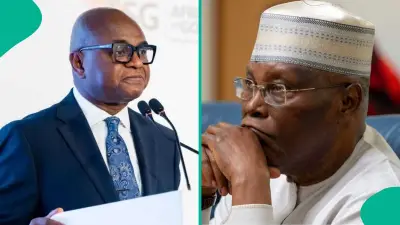
The publication of the detailed 2026 budget breakdown for Nigerian states has sparked widespread reactions from citizens, with the colossal disparity between Lagos and Ekiti states taking center stage. The figures, which were made public in a report by The Cable in early January 2026, reveal that Lagos State's proposed budget of N4.24 trillion is more than ten times the size of Ekiti State's N415.57 billion allocation for the same fiscal year.
Citizens Question Budgetary Transparency and Performance
Following the release of the data, many Nigerians took to social media and other platforms to express their views, with a significant focus on the transparency, accountability, and eventual performance of these state budgets. A common thread in the reactions is skepticism over whether these massive fiscal plans translate to tangible improvements in the lives of ordinary people.
One commentator, Leke Olofin, highlighted a critical issue, stating that budgets for some states are often treated as "mere academics" and are not strictly followed. He pointed out that some states fail to perform up to 30% of their budget, leading to a culture of inflating figures, with Abia State cited as an example.
Another user, Oluwa Seun, echoed this sentiment, lamenting, "They budget so much and perform so little or nothing. We see trillions upon trillions being budgeted, yet the lives of the people have not improved." This reflects a deep-seated concern about the link between planning and execution in public finance.
Praise for Prudence and Skepticism Over Projections
Interestingly, Ekiti State's relatively conservative budget of N415.57 billion received praise from some quarters. A user named Holy majestico commended the state, saying, "Ekiti just cut their coat according to their size, and I love it for them because they would actually surpass the budget." This suggests an appreciation for fiscal realism and prudence.
However, not all commentary on Ekiti was positive. Ayo Aluko questioned the low figure, suggesting, "I think we're underreporting our earnings as a State." This indicates that the budget size alone can lead to debates about a state's true revenue capacity.
Conversely, states with large budget projections faced intense scrutiny. Holy majestico also wondered aloud about the revenue sources for states like Abia and Ebonyi, asking, "I just want to know where Abia and Ebonyi want to generate that money wey dey put here for." This skepticism underscores public doubt over the feasibility of some states' ambitious fiscal plans and their underlying revenue assumptions.
Broader Context and Political Undertones
The budget presentations were made by virtually all state governments in December 2025, setting the financial agenda for the 2026 fiscal year. The reactions go beyond mere number-crunching, touching on broader governance issues.
A comment from a user named Grinch shifted focus to the political crisis in Rivers State, questioning, "Which assembly passed the Rivers State budget? These are the issues on the ground now." This shows how budget discussions are often intertwined with local political disputes and questions of legislative legitimacy.
The public dissection of these budgets occurs against a backdrop of regional cooperation discussions. As previously reported, governors from the southwest states, including Lagos and Ekiti, recently reiterated their commitment to a regional security framework and collectively called on President Bola Tinubu's administration to facilitate the creation of state police.
The overwhelming public reaction to the 2026 budget breakdown highlights a growing demand for greater fiscal accountability and performance measurement from state governments. Nigerians are increasingly scrutinizing not just the size of the budget, but its realism, transparency, and, most importantly, its direct impact on development and welfare. The tenfold difference between Lagos and Ekiti has become a powerful symbol for the wider debate on resource allocation, equity, and governance effectiveness across Nigeria's federating units.