The House of Representatives has provided a detailed explanation for its recent legislative action to repeal and re-enact the 2024 and 2025 Appropriation Acts. According to the legislature, this significant move is designed to overhaul Nigeria's budgeting system, bringing it in line with international standards and tackling long-standing implementation hurdles.
Aligning with Global Best Practices
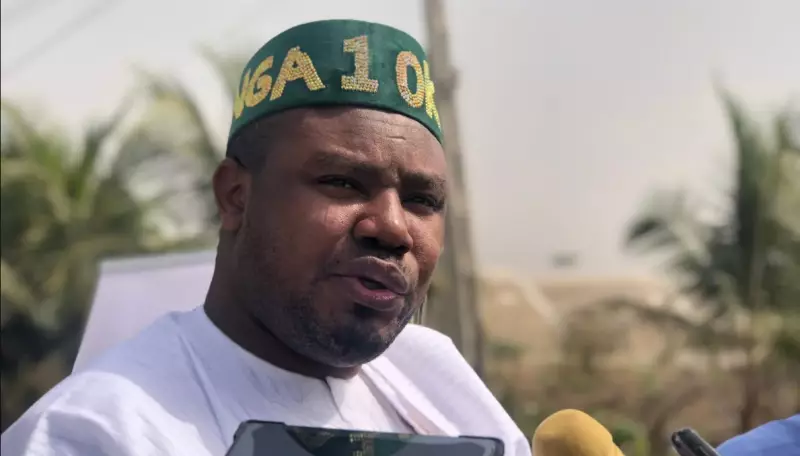
In a statement released on Saturday, the Deputy Spokesperson of the House, Hon. Philip Agbese, outlined the core motivations behind the decision. He emphasized that the primary goals are to enhance transparency, strengthen accountability across all government tiers, and reduce the complexities of budget oversight.
"Basically, it is to align the nation’s budgeting system with global and international best practices," Agbese stated. He added that the re-enactment would create a more coherent and predictable funding structure, streamlining the country's entire fiscal process.
Ending the Era of Multiple Budgets
A central issue addressed by this legislative step is the problematic practice of operating multiple budgets simultaneously. Agbese pointed out that this has been a major source of fiscal confusion and inefficient resource allocation.
"The abysmally low performance of the 2025 capital budget was largely due to the operation of multiple budgets," he revealed. He explained that running overlapping budgets scatters government resources across too many projects, leading to poor outcomes and dissipated funds.
The repeal paves the way for a critical shift: the adoption of a single national budget cycle after March 31, 2026. This change, Agbese noted, is crucial for allowing the Executive arm to execute projects seamlessly. "When there is a single funding system, it becomes easier to manage cash flow and ensure timely releases," he affirmed.
Commendations and a Path Forward
Agbese commended the House Committee on Appropriations, led by Hon. Abubakar Bichi, for its diligent and swift handling of the re-enactment bill sent by President Bola Ahmed Tinubu. Their work enabled the House to pass the bill before the Christmas and New Year recess.
He also praised President Tinubu for his leadership on fiscal reforms, describing his commitment to budget discipline as reassuring. This follows the President's own announcement while presenting the 2026 budget proposal, where he pledged to end multiple budget implementation by the March 2026 deadline.
"By March 31, 2026, all capital liabilities from previous years will be fully funded and closed. No overlaps, no excuses and no rollover culture," President Tinubu had declared, aiming to solve issues of abandoned projects and unpaid contracts.
Agbese described the President as a listening leader, noting that the decision responded to sustained calls from lawmakers and economic experts. He expressed confidence in the economic team, particularly the Ministry of Budget and Economic Planning, for crafting a realistic budget framework.
The House reiterated its commitment to ongoing reforms aimed at strengthening public finance management, improving service delivery to Nigerians, and ultimately restoring public trust in the national budgeting process.