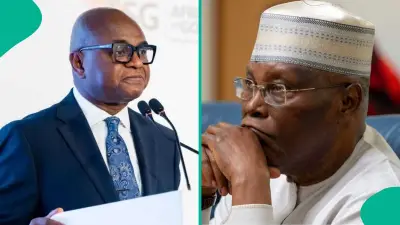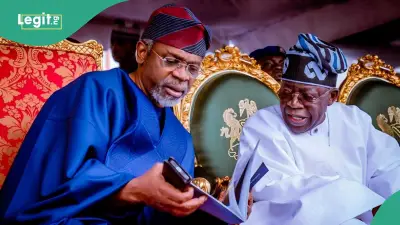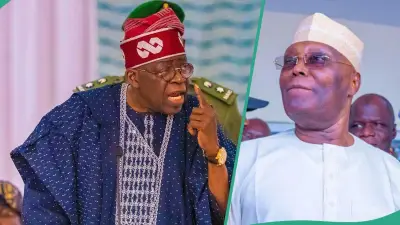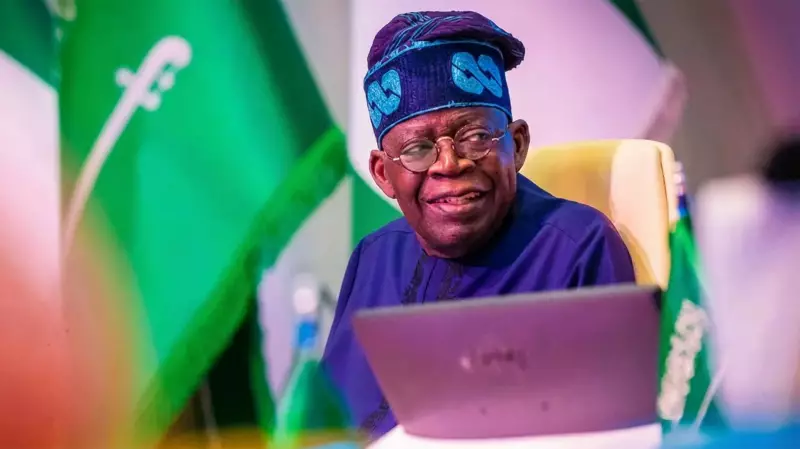
The Nigerian Senate has officially passed the 2026 Appropriation Bill for a second reading, but not before making a significant adjustment to the total sum. The upper legislative chamber increased the budget size from the ₦58.18 trillion presented by President Bola Ahmed Tinubu to a new total of ₦58.47 trillion, adding approximately ₦292 billion to the executive's proposal.
Clarifying the Discrepancy: Bill vs. Speech
This upward review, carried out on Tuesday, December 23, 2025, aligns the final figure with the amount previously approved by the Federal Executive Council (FEC). The discrepancy was addressed by Senator Adeola Olamilekan, Chairman of the Senate Committee on Appropriations.
He clarified that the difference stemmed from minor miscalculations found in the President's presentation speech and its supporting documents. Senator Adeola emphasised that the actual appropriation bill submitted to the National Assembly remains the authoritative document for all legislative deliberations.
"The official budget figure for deliberation is the one contained in the appropriation bill," Adeola stated. "While minor miscalculations may have occurred in the President’s speech or supporting documents, the National Assembly will consider the bill itself as the authoritative figure. Therefore, the official size of the 2026 federal budget stands at ₦58.472 trillion."
He urged both lawmakers and the public to focus on the substance of the spending plan, assuring that the true size would be verified and finalised as detailed deliberations commence.
A "Budget of Consolidation": Breakdown and Priorities
The Senate, which granted the bill accelerated consideration, praised the proposal as one of the country's strongest fiscal frameworks in recent years. Leading the debate, Senate Leader Opeyemi Bamidele (Ekiti Central) described the 2026 budget as a "budget of consolidation" aimed at stabilising the economy and deepening ongoing reforms.
The detailed expenditure framework presented includes:
- ₦4.097 trillion for Statutory Transfers
- ₦15.909 trillion for Debt Servicing
- ₦15.252 trillion for Recurrent (Non-Debt) Expenditure
- ₦23.214 trillion for Capital Expenditure
Bamidele highlighted that the capital component, which accounts for nearly 40% of the total budget—a notable milestone—is designed to stimulate private investment, create jobs, and strengthen food and energy security. Priority sectors include transport, power, agriculture, housing, industrial development, and the digital economy.
On the substantial allocation for debt servicing, he noted the government's parallel commitment to improved revenue mobilisation, tax base expansion, and better performance from government-owned enterprises to reduce borrowing over time.
Senators Weigh In: Praise and Caution
During contributions, senators largely commended the budget's strong emphasis on security, education, healthcare, and infrastructure. Senator Mohammed Sani Musa (Niger East) stressed that the ₦15.9 trillion for debt servicing was critical for maintaining economic confidence and Nigeria's credibility with international partners.
Former Senate President Ahmed Lawan (Yobe North) termed the budget "historic and courageous," noting that defence received the largest share, underscoring the administration's commitment to security. However, he cautioned that political activities leading up to the 2026 elections must not disrupt budget implementation, especially in the crucial first quarter.
A recurring theme among lawmakers was the need for rigorous legislative oversight to prevent the implementation gaps that have plagued previous budgets. They insisted that effective execution, not just ambitious figures, would determine whether Nigerians truly feel the impact of the 2026 budget.
Following the debate, the Senate passed the bill for a second reading and committed it to the Committee on Appropriations for detailed scrutiny. The projected budget deficit is estimated at 4.28% of GDP, with expected revenues for 2026 standing at ₦34.33 trillion.