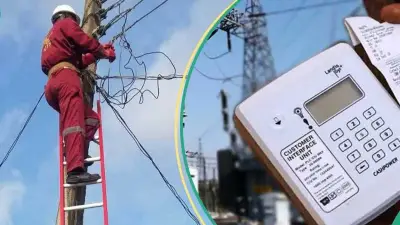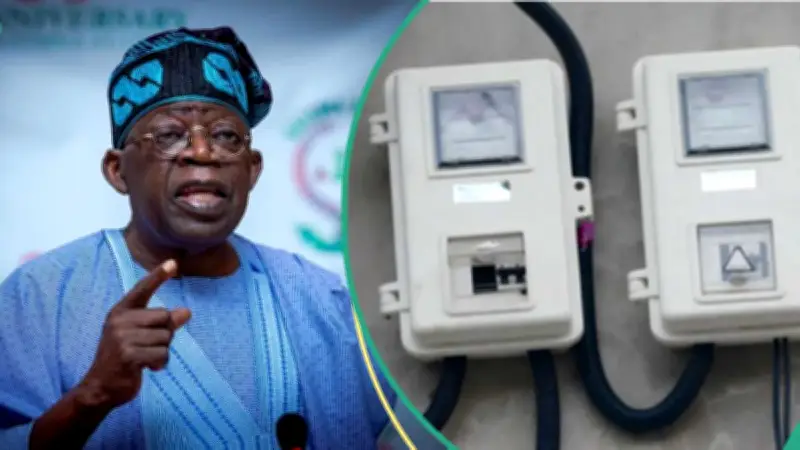
The Presidential Metering Initiative (PMI) will now begin distributing prepaid meters in 2027, extending the wait for Nigerian electricity consumers who continue to face estimated bills despite the release of ₦700 billion for the programme.
According to Daily Trust, a Nigerian Electricity Regulatory Commission (NERC) factsheet indicates that deployment will begin with 750,000 meters. This follows an earlier target to distribute an initial 1.1 million meters by December 2025.
The revised timeline raises fresh questions about implementation, accountability and when households will finally receive relief from disputed electricity charges.
Funding released, rollout delayed
Approved in November 2023, the PMI was designed to narrow Nigeria’s electricity metering gap, improve revenue collection and reduce reliance on estimated billing.
FAAC records cited by Daily Trust show that ₦700 billion was released in seven tranches between May and November 2024. Payments comprised an initial ₦120 billion, five subsequent instalments of ₦100 billion and a final ₦80 billion.
According to Daily Trust, the funds went into an account identified as belonging to the State House’s Smart Grid Development Limited.
The programme is implemented through PMI-Smart Grid Development Limited, a federation-owned entity. It also includes support for local meter manufacturers and training for 5,000 installers.
Who currently gets free meters?
The PMI operates alongside other metering programmes, including the World Bank-supported Distribution Sector Recovery Programme (DISREP), which targets the deployment of 3.2 million smart meters.
Daily Trust reported that deployments under DISREP and the Meter Acquisition Fund have prioritised Band A customers.
However, this does not establish that the forthcoming PMI rollout will be restricted to Band A. The report provides no confirmed, comprehensive eligibility list for the 2027 distribution.
An Abuja Electricity Distribution Company official attributed the current prioritisation of Band A customers to their importance to the sector’s financial stability.
Consumers outside these deployments often face a difficult choice: continue receiving estimated bills or pay upfront through the Meter Asset Provider scheme.
Consumers bear the cost
Daily Trust estimated that consumers spent approximately ₦133.93 billion purchasing 892,859 meters over 18 months, using an assumed average price of ₦150,000 per meter.
That figure is an estimate rather than a verified total of actual payments, since prices vary by meter type.
Customers interviewed described lengthy waits and additional installation charges. One Abuja resident said his application had remained unresolved for about 10 months, while another alleged that installers demanded ₦30,000 before installing a meter he had purchased.
These accounts underline the frustration surrounding access to meters and transparent billing.
Pressure mounts for answers
Nigeria Consumer Protection Network president Kunle Olubiyo said the funding should help consumers challenge unfair estimated bills and extend metering to vulnerable households.
Energy expert Lanre Elatuyi warned that inadequate metering hurts both customers and distribution companies: overbilling fuels disputes, while underbilling weakens revenue.
He urged the government to explain the programme’s status.
Daily Trust reported that its enquiries did not produce an explanation for the delay from the responsible authorities.
For households still awaiting meters, the immediate concern remains whether the new 2027 timetable will translate into installations and fairer bills.