The Federal Government has announced plans to remove electricity subsidies from 2027, a move that could result in higher electricity bills for Nigerians as the country continues its power sector reforms.
Subsidy Removal Announcement
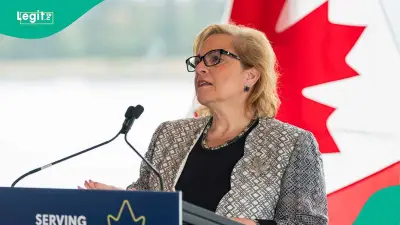
Minister of Power, Joseph Olasunkanmi Tegbe, disclosed that the government is working towards ending electricity subsidies as part of efforts to make the power sector financially sustainable and attract more investment in electricity generation and distribution. The minister stated that the subsidy removal would be implemented gradually, clarifying that the government is not planning an immediate increase in electricity tariffs as part of the transition.
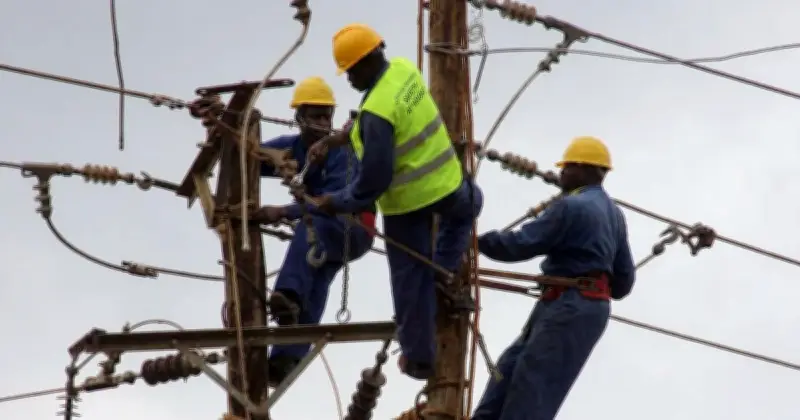
Electricity subsidies currently cover the gap between the actual cost of supplying power and the amount paid by consumers through regulated tariffs. Removing the subsidy means electricity prices could move closer to the cost of generating and delivering power, depending on future tariff decisions by regulators.

Rationale Behind the Reform
Tegbe explained that the move is necessary to address challenges affecting Nigeria's power sector, including accumulated debts, funding gaps, and the need to attract private investment. The Federal Government has previously introduced electricity tariff reforms, including adjustments for some categories of consumers, as it seeks to reduce the cost burden on public finances and improve the reliability of power supply.
The minister said the government's focus is to create a power market that can operate sustainably while protecting consumers during the transition. Nigeria's electricity sector has continued to face challenges, including inadequate infrastructure, gas supply constraints, limited generation capacity, and financial difficulties among operators.
Expected Impact on Consumers
The planned removal of the subsidy in 2027 is expected to form part of wider reforms aimed at restructuring the country's power sector. This development comes as the government continues to balance the need for financial sustainability with the protection of consumers during the transition period.