
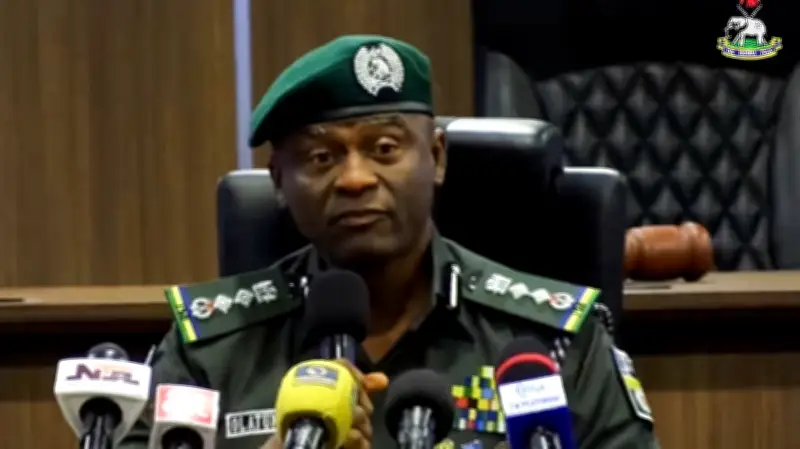
Inspector General of Police (IGP), Mr Olatunji Disu, has made a pledge to overhaul the working mechanism of the Nigeria Police Force (NPF), and this should be regarded as his agenda for the institution. Given that many of his predecessors started with similar promises but failed to deliver, Disu faces a significant challenge to overcome public skepticism about his intentions.
Key Areas of Reform
Disu has pledged to strengthen investigative capacities, modernize operations, and deploy innovation to enhance personnel capability in combating modern crime. These plans address critical areas requiring urgent reform within the police force. If even part of these challenges can be resolved, the police narrative could shift from one of corruption, inefficiency, and betrayal of trust to a more positive trajectory.
Current State of the Police
The Nigeria Police is currently in a lamentable state, with weakness and corruption evident nationwide. The consequences are felt by Nigerians who find the force absent when needed most. Disu's duty is to rescue the police from its negative image and reform it to effectively protect citizens.
During the 2nd National Police Day on April 17, 2026, at Eagles Square in Abuja, the IGP openly committed to modernizing operations, tackling indiscipline, enhancing welfare, and honoring fallen heroes. He specifically mentioned deploying technology, digital infrastructure, and intelligence-led strategies to transform operations and boost investigative capacities.
Intelligence and Partnership
As a first step, Disu directed the deployment of intelligence-based assets and elevated the Force Intelligence Bureau to a full department to handle evolving crime threats. He also aims to strengthen police-community partnerships to foster trust and improve security outcomes.
A troubling reality is that some police personnel, through their criminal activities, become threats to the very lives and property they are meant to protect. This is deeply disappointing. The transformation journey must begin by making the force strong enough to tackle escalating security challenges threatening Nigeria's existence.
Historical Context
The ineffectiveness of the police over decades has led to the deployment of soldiers to fight terrorism and other crimes. Nigeria needs a police system capable of detecting crime before it occurs, as seen in advanced countries. Personnel require better training to become proactive in their duties.
The force's ineffectiveness has contributed to millions of Nigerians living in internally displaced persons camps. Nigerians want to see innovative and effective crime-fighting strategies that make the country safe.
Endemic Corruption
Disu must tackle the endemic vice of extortion, which has deprived the force of public respect. Policemen openly extort motorists at checkpoints, complainants at stations, and innocent citizens during stop-and-search operations. Media reports have documented police personnel forcing people to surrender belongings such as phones, laptops, and jewelry. There have also been allegations of officers carrying Point-of-Sale (PoS) machines to force money transfers—actions akin to official armed robbery.
Funding and Welfare
For Disu's agenda to succeed, the federal government must provide adequate funding. In many police stations, complainants are forced to fund investigations by buying files, pens, and fuel for police vehicles. This should not be the case. When personnel buy and sew their own uniforms and spend personal money on government expenses, it tempts unethical conduct that erodes public respect. Welfare must be prioritized, and personnel should not struggle to receive their entitlements.
Public Perception
The current public perception of the Nigerian police is that of a defeated force, serving only as security aides to the wealthy. The force was established to protect all Nigerians, and it must do so effectively. IGP Disu must combat the habit of officers revealing informants' identities to suspects after taking bribes. Such practices endanger lives and hinder police-community relationships essential for better policing.
Discipline and Recruitment
Indiscipline must be stamped out. Media have reported drunken police officers fighting over extortion money. Some dress shabbily and appear unkempt. Proper background checks are needed before recruitment, as some officers have been alleged to be cult members. The rickety state of most patrol vans indicates a weak force. Officers who demand roadworthiness certificates often drive vehicles that are themselves unroadworthy.
The story must change: The new IGP should walk the talk.




