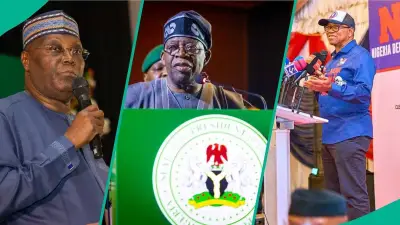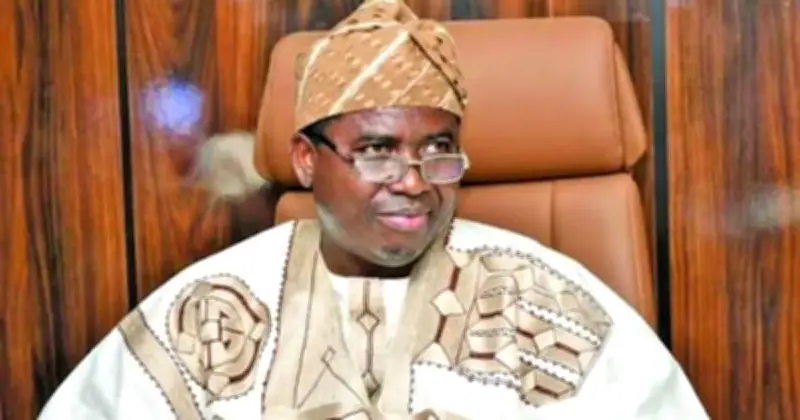
The Chairman of Nigeria's Independent National Electoral Commission (INEC), Professor Joash Ojo Amupitan, has declared that he has handed everything over to God as the commission prepares to conduct the 2027 general election. Speaking at the Artificial Intelligence and Democracy Forum 2026 in Abuja, Amupitan also insisted that artificial intelligence will not determine the outcome of the polls.
Faith as an Anchor Amid Electoral Responsibility
Amupitan made the remarks on Wednesday, October 14, 2026, at the forum organised by Yiaga Africa, themed "Safeguarding the 2027 General Election in the Age of Artificial Intelligence." The event gathered stakeholders to examine the opportunities and risks that AI presents to Nigeria's electoral process.
Reflecting on the weight of overseeing the elections, the INEC chairman said his faith has become a source of encouragement. "I'm being reminded of the enormity of the task on me. I'm also encouraged by the word of God, which is, 'Come unto me, all you that labour and are heavy laden, and I will give you rest.' So that has been my anchor," he said.
He added, "And sometimes people say, 'You are not bothered.' I said, I've handed over everything to God."
AI as a Tool, Not a Decision-Maker
Despite his reliance on God, Amupitan outlined INEC's preparations for the 2027 polls, assuring Nigerians that AI would not decide the election. "No, algorithms will not and must never decide the 2027 votes. Algorithms will not decide the vote because the choice of who leads Nigeria belongs exclusively to the Nigerian people," he stated.
The chairman acknowledged that AI could influence political communication, voter information, and election logistics, but stressed that technology must support democratic processes rather than undermine them. He said AI could help INEC plan the movement of election materials and personnel by analysing traffic patterns, weather forecasts, road conditions, and security information. It could also help identify mathematical inconsistencies and unusual patterns in uploaded polling-unit result sheets.
However, Amupitan emphasised that human collation remains the statutory standard for declaring election results, with AI serving only as an additional tool for identifying potential discrepancies.
Challenges and Progress in Election Preparations
The INEC chairman also acknowledged challenges facing the commission, including insecurity, difficult terrain, and poor network coverage in some communities. According to him, INEC has completed 10 of the 14 major activities on its election timetable and has begun receiving additional Bimodal Voter Accreditation System (BVAS) devices ahead of the polls.
Amupitan further disclosed that the commission has digitised its candidate nomination process through the INEC Candidate Nomination Portal, which has processed more than 15,000 nominations across 22 political parties. He said the commission will continue working with civil society organisations, technology companies, regulatory bodies, and security agencies to ensure that technological developments strengthen Nigeria's electoral process.