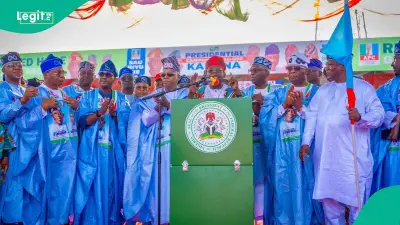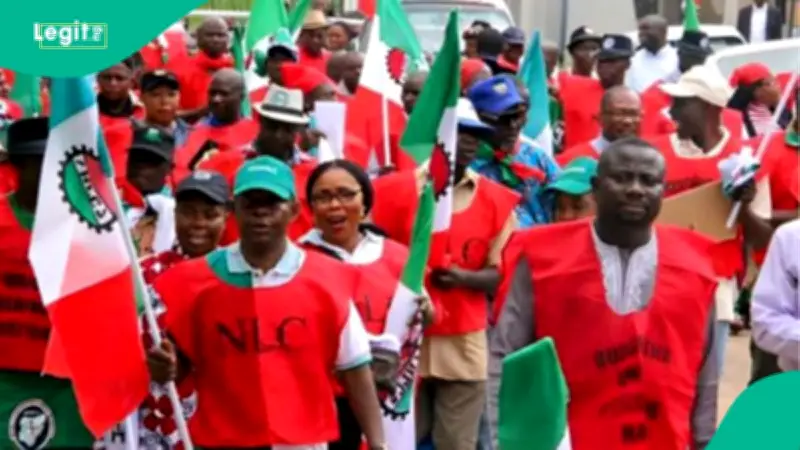
The Nigeria Labour Congress (NLC) has publicly rebuked the Trade Union Congress (TUC) of Nigeria for rejecting a negotiated N70,000 transport allowance meant to ease the burden of rising fuel costs and the worsening cost of living on Nigerian workers.
NLC President Joe Ajaero questioned the basis of the TUC's opposition, pointing out that the TUC was absent from the negotiations that produced the agreement. "The agreement was not signed by TUC, and you don't kick against something that you didn't negotiate," Ajaero said, challenging the rival labour body to focus on securing better terms for its own members instead of attacking a deal it played no role in reaching.
NLC Defends Transport Allowance as a Landmark Deal
Channels TV reported that Ajaero called the agreement, which was approved by President Bola Tinubu's administration, a landmark achievement, saying it represents a meaningful step towards protecting workers from the financial pressure created by surging petrol prices and the broader rise in the cost of living. He added that the allowance could serve as a reference point for future negotiations covering workers across different employment categories.
However, the NLC president made clear that the current arrangement is not a permanent fix. He warned that the six-month window provided by the allowance must not run out without a new minimum wage framework in place, one that properly accounts for current economic realities. Ajaero said any future wage talks must factor in the full weight of workers' daily expenses, including transportation, food, housing and other basic necessities.
Call for a Comprehensive Wage Review
The NLC's position underlines a growing tension within Nigeria's organised labour movement over how best to respond to the country's economic pressures. While the NLC views the transport allowance as a pragmatic and significant step forward, the TUC's rejection signals a divergence in strategy between the two central labour bodies.
Ajaero's warning about the expiry of the six-month allowance suggests the NLC sees the current deal as a stopgap measure rather than a solution, and that it intends to push for a more comprehensive wage review before the timeline lapses.