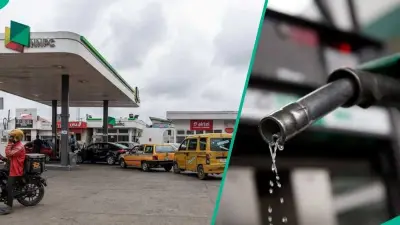

Seven new modular refineries are scheduled to begin operations in 2027, adding a combined 83,000 barrels per day (bpd) to Nigeria's refining capacity and potentially challenging the dominance of the Dangote Petroleum Refinery.
George Maher-Bonnett of Argus Media disclosed this during the OTL Africa Downstream Conference in Lagos on Wednesday, October 28, 2026, while presenting the African Energy Outlook.
Seven new refineries target 2027 operations
Maher-Bonnett revealed that Nigeria had four operational modular refineries in September, with a combined processing capacity of 32,000 barrels daily. Seven additional facilities are scheduled to commence operations next year, bringing substantial new capacity into the domestic refining market.
The proposed 83,000 bpd capacity represents more than two and a half times the combined capacity of the four existing modular refineries. If all seven facilities become operational, Nigeria's combined modular refining capacity could reach 115,000 barrels daily.
However, the presentation did not identify the proposed refineries, their owners, locations, or individual production capacities. Their commissioning timelines also remain unclear, leaving questions about whether all seven projects will begin production as projected.
Dangote refinery strengthens Nigeria's fuel supply
Despite the expected arrival of new competitors, Maher-Bonnett acknowledged the significant contribution of the Dangote Petroleum Refinery to Nigeria's improving fuel self-sufficiency. He disclosed that the Lekki-based refinery, described in his presentation as having a capacity of 700,000 bpd, was operating at a high rate, with steady petrol production.
The development has strengthened domestic fuel availability while reducing the commercial attractiveness of importing certain petroleum products from Europe. However, the proposed modular facilities remain considerably smaller than Dangote's refinery, suggesting their immediate impact may be greater in regional supply than direct competition.
Higher petrol prices weaken Nigerian demand
Maher-Bonnett also revealed that Nigeria's petroleum products consumption had declined in 2026, attributing the development largely to elevated fuel prices. According to the presentation, government intervention in the market remained limited, apart from a price reduction implemented by the Nigerian National Petroleum Company Limited during October.
The decline in consumption highlights the challenges facing refiners and marketers as consumers adjust their spending to higher energy costs.
African refineries challenge European fuel imports
Beyond Nigeria, Maher-Bonnett highlighted Ghana's expanding refining capacity, particularly the 45,000 bpd Tema refinery, which is increasing production, Punch reported. He explained that growing refining capacity across West Africa was weakening the economics of shipping petroleum products from Europe into the region.
Higher freight costs have further reduced the competitiveness of European fuel shipments. For Nigeria, the expected addition of seven modular refineries could deepen domestic refining capacity, encourage competition, and improve fuel supply. However, whether the expansion translates into lower pump prices will depend on production costs, crude oil availability, market conditions, and the successful commissioning of the proposed facilities.