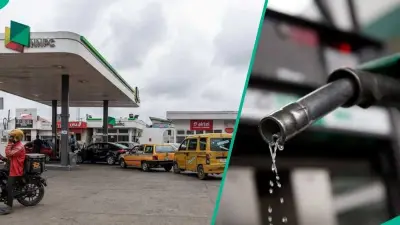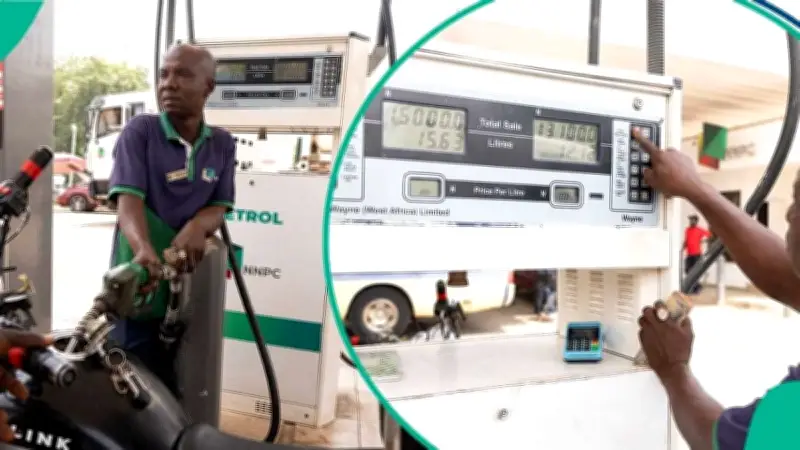
Depot owners across Nigeria have released new petrol prices, showing rates between N1,323 and N1,349 per litre in major cities, while Dangote Refinery maintains a lower ex-gantry price of N1,210 per litre.
According to data released by the Major Energy Marketers Association of Nigeria (MEMAN) on October 27, 2026, petrol prices at several depots remain above the rate offered by the Dangote Petroleum Refinery.
MEMAN Releases Latest Petrol Depot Prices
The MEMAN report revealed varying Premium Motor Spirit (PMS) prices across Nigeria's major petroleum distribution hubs. In Lagos, depot prices ranged between N1,323 and N1,340 per litre. Warri recorded prices between N1,340 and N1,349 per litre, while Calabar depots quoted between N1,335 and N1,340. Similarly, petrol prices in Port Harcourt ranged from N1,332 to N1,340 per litre.
The figures highlight regional differences in wholesale petrol pricing, which can influence how much filling stations eventually charge consumers. However, depot prices do not necessarily translate directly into retail pump prices, as marketers must account for transportation, distribution and other operating expenses.
Dangote Refinery Maintains Lower Petrol Prices
Dangote Refinery has maintained its ex-gantry petrol price at N1,210 per litre, according to MEMAN's latest data. The price is between N113 and N139 per litre below the reported depot quotations across the four locations.
For marketers purchasing large volumes, the difference could translate into substantial savings before transportation and other distribution costs are considered. The pricing gap could also strengthen the refinery's appeal to independent marketers seeking cheaper supplies amid persistent competition in Nigeria's petroleum market. However, the final cost advantage depends on logistics, loading arrangements and delivery destinations.
NMDPRA Tightens Conditions for Petrol Imports
The changing market dynamics coincide with the Nigerian Midstream and Downstream Petroleum Regulatory Authority's (NMDPRA) decision to subject petroleum import applications to greater regulatory scrutiny. Under the revised approach, marketers seeking permission to import petroleum products must satisfy additional regulatory conditions before obtaining approval.
The policy could influence import volumes and encourage greater reliance on domestic refining capacity, although its impact will depend on implementation and local supply availability. For import-dependent marketers, the changes may require adjustments to existing procurement strategies.
Petrol Marketers Face Growing Price Competition
Industry observers believe the differences in depot prices could intensify competition among petroleum suppliers. Marketers are likely to compare domestic refinery prices with alternative wholesale supplies while considering transportation expenses, product availability and delivery timelines.
For consumers, stronger competition could eventually create opportunities for lower pump prices. Nevertheless, cheaper ex-gantry petrol does not automatically guarantee immediate reductions at filling stations. Ultimately, the direction of petrol prices will depend on supply stability, distribution costs, exchange rates and the ability of competing suppliers to sustain attractive wholesale prices.