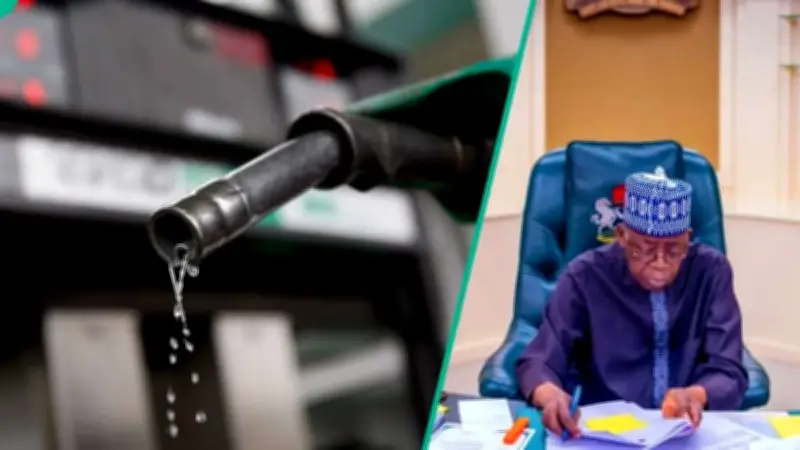
The Nigerian National Petroleum Company (NNPC) Limited has adjusted petrol prices across its outlets, with new rates ranging from N1,385 per litre in Lagos to N1,456 per litre in Yobe, a development that is intensifying political tensions ahead of the 2027 general elections. The price revisions, which also affect private filling stations, come as opposition parties and labour unions criticise the ruling All Progressives Congress (APC) over the economic impact of fuel subsidy removal.
NNPC and Private Stations Adjust Pump Prices Nationwide
According to the latest NNPC price list, petrol is now sold at N1,430 per litre in Abuja, N1,452 in Borno, N1,447 in Adamawa, N1,445 in Taraba, N1,439 in Zamfara, and N1,430 in Sokoto. These adjustments follow a decision by Dangote Petroleum Refinery to reduce its ex-gantry price by N25, bringing it from N1,350 to N1,325 per litre.
On-the-ground checks conducted by BusinessDay revealed that NNPC outlets in Abuja were selling petrol at approximately N1,430 per litre, with NIPCO stations charging a similar rate and Mobil outlets around N1,400. In Lagos, prices hovered near N1,400, although they varied depending on location and marketer. The Nigeria Labour Congress (NLC) reported that petrol was selling at about N1,430 per litre in major cities, with some locations charging as high as N1,500. Reuters also confirmed prices of roughly N1,400 in Lagos and Abuja, with rates exceeding N1,500 in parts of northern Nigeria. In Mubi, Adamawa State, pump prices were reported at as high as N1,850 per litre during the most recent surge.
Fuel Costs Enter the 2027 Campaign
The price movement has placed fresh focus on President Bola Tinubu's removal of petrol subsidies in 2023, a policy that ended government price controls and exposed domestic pump prices to international oil market fluctuations. The government has defended the policy as necessary to eliminate the financial burden that subsidies placed on public finances.
The Independent National Electoral Commission (INEC) has fixed the presidential and National Assembly elections for January 16, 2027, with governorship and State House of Assembly elections scheduled for February 6. This timetable means fuel prices are likely to remain a central issue in the economic debate throughout the campaign period.
Opposition and Labour Respond to Rising Prices
Opposition parties have seized on the increases to challenge the APC's economic record, with politicians criticising the subsidy removal and labour leaders calling on the government to protect households from the impact of higher fuel costs. The NLC has specifically called for wage support and the sale of crude oil to local refineries in naira to limit exposure to global oil price swings.
The price rises come even with the Dangote Refinery operating at full capacity, underscoring Nigeria's vulnerability to movements in international crude markets following the removal of petrol subsidies. In Abuja, tricycle operators have already responded by raising fares, with some commuters now paying N500 for trips that previously cost N400 or less.
Context and Market Conditions
Earlier reports from Legit.ng indicated that petrol and diesel prices on Tuesday, September 15, were below current landing costs in several major markets, despite a surge in global crude oil prices. Brent crude was trading at $108.60 per barrel as of 7:50 a.m. West Africa Time, a 2.79% rise, while U.S. West Texas Intermediate crude climbed 4.42% to $105.90 per barrel. Dangote Petroleum Refinery was selling petrol at N1,350 per litre at the gantry, which is N70 below the previous rate.
The sustained high fuel prices are expected to remain a flashpoint as political parties ramp up campaigns, with the NLC's demands for wage support and naira-based crude sales to local refineries likely to feature prominently in the policy debate leading up to the 2027 elections.