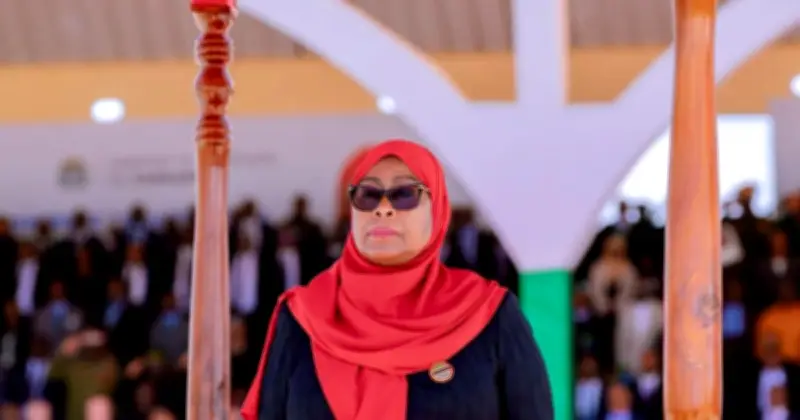
Tanzania's President Samia Suluhu Hassan is mourning the death of her husband, Hafidh Amir Hassan. According to Islamic tradition, widows observe a mourning and waiting period called Idda, which lasts four months and ten days for a non-pregnant widow. Tanzania's Mufti has addressed the situation, stating that observing Idda does not prevent President Samia from performing her duties as head of state.
What is Idda and How Long Does It Last?
In Islam, when a woman's husband dies, she observes a waiting and mourning period called Idda. For a widow who is not pregnant, the period lasts four lunar months and ten days. During this time, Islamic teachings generally require the widow to mourn and avoid certain forms of beautification, including wearing jewellery, using perfume, or doing things considered adornments.
The period also serves as a time of respect for the deceased husband and, in Islamic law, helps establish issues relating to lineage and possible pregnancy. If a woman is pregnant when her husband dies, her Idda continues until she gives birth.

Does Idda Mean a Widow Cannot Leave Her House?
This is where different interpretations come in. Some Islamic scholars hold a stricter view that a widow should remain in her home throughout Idda except when there is a genuine need. Others say that necessary responsibilities, work, seeking medical care, or important obligations can be reasons for leaving the house during the mourning period. According to Islamic guidance from some scholars, leaving the house during widowhood Idda is not automatically forbidden.
What Happens When the Widow is a President?
President Samia is not just any widow. She is also Tanzania's head of state, responsible for leading millions of citizens. The question around her situation is whether religious mourning requirements can affect her ability to perform presidential duties. Tanzania's Mufti has reportedly addressed the issue, saying that observing Idda does not prevent President Samia from carrying out her responsibilities as president. In other words, the religious obligation and her constitutional role do not necessarily clash. She can mourn her husband while continuing to lead the country.
President Samia has not publicly spoken about observing Idda. While the discussion has generated attention, President Samia has not publicly confirmed details about how she intends to observe Idda. However, the conversation has opened a wider discussion about how women in leadership positions balance personal religious obligations with public responsibilities. For President Samia, the loss is personal, but the responsibilities of the presidency continue.