The latest decline in global crude oil prices is intensifying pressure on Nigerian refiners and petroleum marketers to reduce petrol prices, raising expectations that motorists could see some relief at filling stations. Crude prices retreated at the weekend after an earlier surge linked to renewed tensions in the Middle East pushed up energy costs and contributed to higher domestic fuel prices.
Checks on Sunday showed that Brent crude fell by 0.99% to $103.90 per barrel, while West Texas Intermediate (WTI) declined by 1.58% to $100.30 per barrel. Oilprice.com had earlier reported that Brent climbed above $107 per barrel as geopolitical tensions rattled the international oil market.
Lower Crude Price Raises Expectations
The retreat in crude prices could provide some breathing room for Nigeria's downstream petroleum market, where refiners and marketers have faced higher costs in recent weeks. Crude oil is a major component of petrol production costs, meaning sustained changes in international prices can influence the amount refiners charge marketers and, eventually, what motorists pay at filling stations.

The latest decline comes as depot prices have also fallen in some Nigerian markets, strengthening expectations that the reduction could eventually filter through to retail outlets. Petrol prices at filling stations have remained elevated despite changes at the wholesale level.
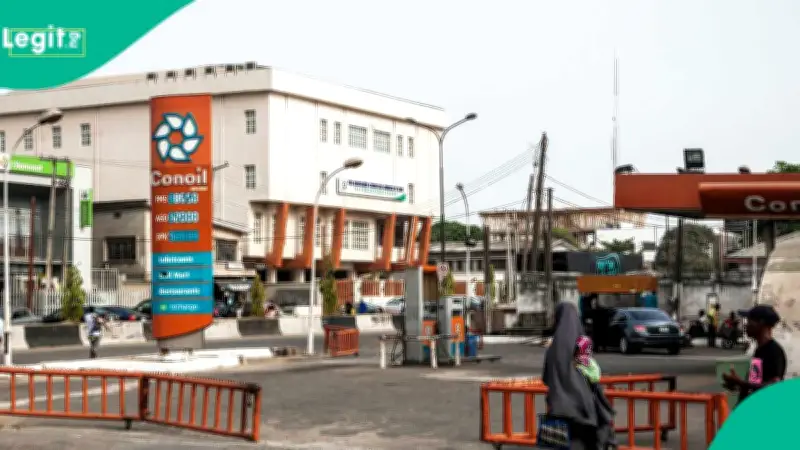
According to market reports, some filling stations are dispensing Premium Motor Spirit at between N1,395 and N1,450 per litre, while prices in Abuja and surrounding areas range from about N1,310 to N1,345 per litre. The difference between depot and retail prices is likely to draw greater attention if wholesale rates continue falling.
Filling Stations Under Pressure
For motorists, the key question is whether lower crude and depot prices will translate into cheaper petrol at the pump. Marketers typically factor transportation, logistics, financing and other operating expenses into retail prices, meaning changes in depot rates may not immediately produce an equivalent reduction at filling stations.
However, sustained declines in crude and wholesale petrol prices could increase competitive pressure on retailers, particularly in areas where several filling stations are competing for customers.
NMDPRA Explains Pricing System
Meanwhile, the Nigerian Midstream and Downstream Petroleum Regulatory Authority (NMDPRA) has reiterated that it cannot directly determine petrol pump prices under Nigeria's deregulated downstream petroleum market. In a statement on Saturday, September 19, 2026, the regulator explained its position on petrol pricing as consumers continue to grapple with higher fuel costs.
Attention will now turn to refiners, depot operators and filling stations to see whether the latest decline in international crude prices and domestic wholesale rates will deliver cheaper petrol to Nigerian motorists.
Legit.ng earlier reported that Nigeria's downstream petroleum market recorded significant petrol price reductions in three major cities during the trading week, with depot rates falling to as low as N1,330 per litre. The latest weekly market review by Petroleumprice.ng showed that petrol prices declined across Warri, Port Harcourt and Calabar, while Lagos remained relatively firm at around N1,350 per litre.