
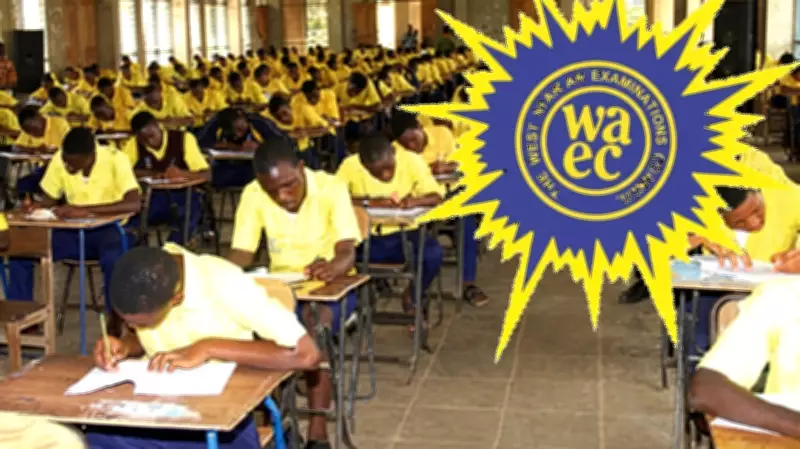
The Crisis of Certificates Without Competence in Nigeria
Nigeria faces a critical juncture in its secondary education system that demands immediate attention. The widespread normalization of special centers for the West African Senior School Certificate Examination (WAEC) has created a parallel system where academic success is often purchased rather than earned, producing graduates who hold certificates but lack genuine competence.
How Special Centers Undermine Educational Integrity
Originally established as legitimate examination venues, many special centers have evolved into organized hubs for examination malpractice. Students are frequently registered outside their actual schools, receive lax supervision, and in numerous documented cases, are openly assisted during examinations. This creates a dangerous precedent where the focus shifts from genuine learning to passing at any cost.
The consequences are visible across Nigeria's educational landscape. Many students who obtain certificates through these centers cannot adequately answer questions about their supposed areas of knowledge or defend their academic achievements. Numerous reports indicate that some students don't even write their own examinations, operating under arrangements described as "non-appearance" or receiving spoon-fed answers during exam sessions.
The Statistical Distortion of Educational Progress
WAEC results over the past decade reveal concerning patterns that may reflect systemic issues rather than genuine educational improvement. Pass rates for five credits including English and Mathematics have fluctuated significantly:
- 2014: Approximately 31% of candidates achieved this benchmark
- 2016: The figure rose to about 52%
- 2020: Pass rates peaked around 65%
- Recent years: Some results have shown pass rates slightly above 70%
While these numbers suggest improvement on paper, education experts consistently question whether these gains represent authentic learning or inflated outcomes facilitated by malpractice. The existence of special centers distorts national statistics by diverting academically struggling students away from their original schools, creating a misleading picture of higher pass rates without corresponding increases in actual competence.
The Ripple Effects on Higher Education and Society
The problems extend far beyond secondary education. Students who obtain certificates through questionable means often struggle significantly in universities, either facing academic difficulties or attempting to replicate the same patterns of shortcut-taking in higher education. This creates graduates who are unprepared for real-world challenges in their chosen fields.
Universities and employers increasingly report that many graduates lack fundamental skills in communication, critical thinking, and problem-solving. This mismatch between certificates and actual competence undermines national development, as the workforce becomes increasingly unable to meet the demands of a modern, competitive economy.
Proposed Solutions and Systemic Reforms
A critical first step involves banning special centers outright and mandating that all students sit for WAEC examinations in the same schools where they received their education. This policy would restore accountability to schools, teachers, and students alike. When students face academic challenges, the solution should involve structured academic support and opportunities to rewrite examinations within their school environment, rather than relocation to dubious centers.
This approach mirrors established practices in higher education, where students with carry-over courses typically remain within their institutions to address academic deficiencies rather than transferring to other universities. Such continuity reinforces genuine learning by allowing students to build relationships with teachers who understand their strengths and weaknesses, turning academic challenges into opportunities for remediation and growth.
Addressing Legitimate Concerns About Mobility
While banning special centers is essential, legitimate concerns about student mobility must be addressed. Families relocate, economic circumstances change, and some students face genuine disadvantages if forced to remain in particular schools. A controlled transfer mechanism through formal approval from district education boards can preserve necessary flexibility while maintaining educational standards.
The Broader Context of Educational Challenges
The special center phenomenon exists within a larger context of systemic educational challenges. Nigeria's education system has suffered from years of chronic underfunding, with allocations consistently falling below UNESCO's recommended 15-20% of national budgets. The country often allocates less than 10% to education, resulting in:
- Severe infrastructure deficits in schools
- Limited teaching resources and materials
- Overcrowded classrooms that hinder effective learning
- Poorly motivated teachers facing challenging working conditions
- Inconsistent policy implementation across regions
These structural weaknesses create fertile ground for malpractice. When students receive inadequate instruction and teachers face overwhelming workloads with insufficient compensation, the temptation to assist candidates through questionable means increases. Parents, desperate for results in a highly competitive environment, often become complicit by seeking out special centers for their children.
Comprehensive Reform Strategy
Banning special centers must be accompanied by complementary reforms to address root causes:
- Increased investment in teacher training to enhance pedagogical skills and subject knowledge
- Improved school infrastructure to create conducive learning environments
- Stricter examination monitoring systems with enhanced security protocols
- Integration of continuous assessment to reduce overreliance on single final examinations
- Technological solutions including biometric verification, centralized question distribution, and digital monitoring systems
However, technology alone cannot solve the problem. A fundamental cultural shift toward accountability must occur throughout the education system, involving teachers, students, parents, and educational administrators.
The Path Forward for Nigerian Education
Education serves a purpose far beyond passing examinations—it prepares young people for meaningful lives and productive careers. A system that rewards dishonesty produces graduates who struggle in higher education, falter in workplaces, and lack confidence in their own abilities.
Nigeria stands at a critical crossroads. Continuing with the status quo will only deepen the educational crisis and widen the gap between certificates and genuine competence. By eliminating special centers and restoring integrity to the examination process, Nigeria can begin rebuilding trust in its education system and ensure that certificates once again tell authentic stories of learning, growth, and preparation for the challenges ahead.




