
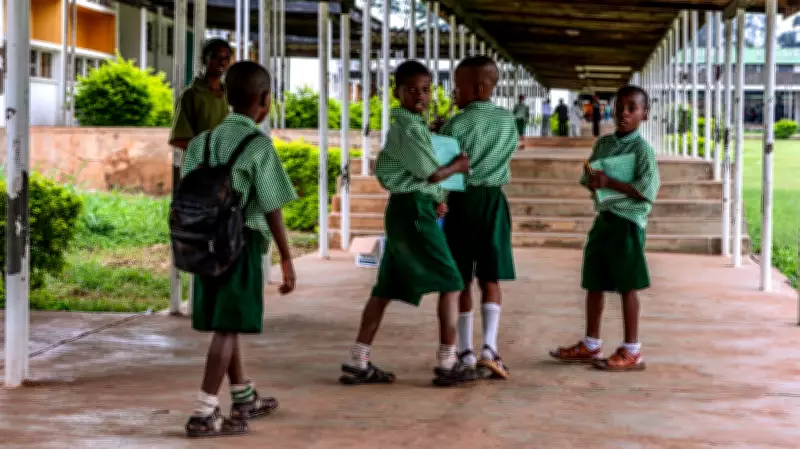
Education and Security Stakeholders Demand Urgent Protection for Schools Amid Rising Attacks
Stakeholders from Nigeria's education and security sectors have issued renewed and urgent calls for significantly stronger protection of schools across the nation. This appeal comes in direct response to the escalating frequency of attacks on learning environments, which are having a devastating impact on the safety of students and the future of the country's educational system.
Summit Highlights Systemic Failures and Proposes Solutions
The powerful appeal was made during a critical Peace and Security Summit organized by the National Association of University Students (NAUS) in Abuja. The event brought together a diverse group of security experts, government officials, lawmakers, legal practitioners, and student representatives to address the growing crisis.
Senior Advocate of Nigeria (SAN), Jibrin Samuel Okutepa, delivered a pointed analysis, directly linking Nigeria's rising insecurity to the profound absence of economic justice and the consistent failure of leaders to uphold their constitutional responsibilities. "There can be no peace where justice is denied. Our roads, universities, and critical infrastructure are failing," he stated, questioning why criminal groups continue to operate freely from forests and why educational institutions have remained soft targets for attacks.
Okutepa proposed a strategic solution, arguing that investing in the development of remote areas like the Sambisa Forest into formal economic zones or tourist centres would effectively deprive criminal gangs of their hiding spaces. He also offered sharp criticism of the widespread mismanagement of public resources, the severe lack of transparency in governance, and the growing disconnect between leaders and ordinary citizens. He urged young Nigerians to demand genuine accountability from their leaders rather than accepting token incentives from politicians.
Student Leaders and Security Officials Voice Concerns and Plans
NAUS National Vice President for the North-Central region, Blessing Henry, expressed deep concerns over the frequent attacks on schools and the traumatic abduction of students for ransom. "We desperately need a safe learning environment. The government must intervene decisively. We require far more security presence on our campuses," she emphasized.
Henry lamented the constant assaults by armed groups and the perceived inadequate intervention from authorities, noting that students nationwide are suffering and are in urgent need of robust protection. She outlined NAUS's proactive measures, stating, "NAUS is actively working with international human rights organizations to establish peace and safety clubs across universities, and we have already set up dedicated civic and emergency helplines for students."
Representing Dr. Olusola Odumosu, the Commandant of the Nigeria Security and Civil Defence Corps (NSCDC), Boniface Odeh sought to reassure stakeholders. He detailed that the agency has significantly expanded its Safe School Initiative (SSI) to ensure quicker and more effective protection of education facilities nationwide. "Security has evolved beyond mere physical presence. If any incident occurs in any school, it now takes our operatives less than fifteen minutes to mobilize and respond," Odeh asserted.
Lawmaker's Plea and Collective Call to Action
Member of the House of Representatives for the Bokkos-Mangu Federal Constituency in Plateau State, Ishaya Lalu, expressed profound sorrow over the continuous killings in his constituency. He joined the call for young Nigerians to engage constructively in governance processes and to persistently demand accountability from their elected officials.
The summit concluded with a unified and collective appeal directed at the Federal Government, all security agencies, and state authorities. The stakeholders urged them to:
- Intensify all efforts to physically secure schools and educational institutions.
- Address the underlying economic drivers and root causes of insecurity.
- Strengthen intelligence gathering and sharing mechanisms.
- Ensure swift justice for all victims of attacks on educational facilities.
Furthermore, the participants strongly emphasized the critical importance of meaningfully engaging young people in decision-making and policy formulation processes. They argued that this inclusive approach is essential for creating a foundation of lasting peace and security across the entire country.




