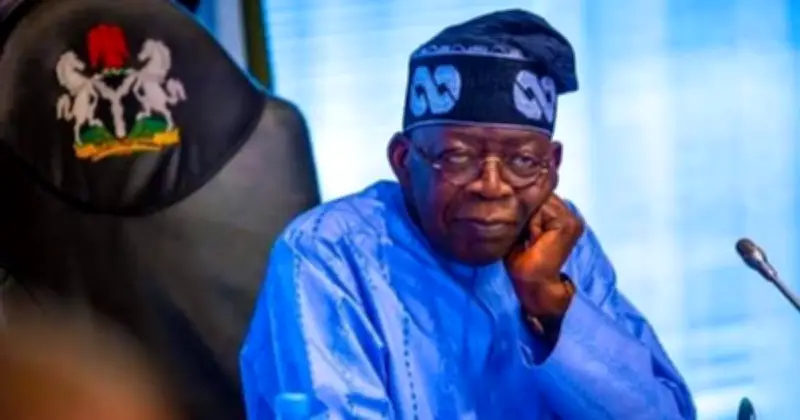
Civil servants under the Joint National Public Service Negotiating Council (JNPSNC), Trade Union Side, have formally requested President Bola Tinubu to reduce the pump price of petrol to ₦500 per litre and provide immediate wage relief. The demand was made in a letter to the President, citing the severe financial strain caused by rising fuel costs on workers and their families.
Demands for Fuel Price Cut and Wage Relief
The workers are asking the Federal Government to stabilise the price of Premium Motor Spirit (PMS) at ₦500 per litre. They argue that the current cost, which they say has reached about ₦1,430 per litre or more in some locations, has significantly increased transportation, goods, and services costs nationwide. The JNPSNC believes that lowering fuel prices would offer broader economic relief, as petrol prices directly affect transportation, production costs, and household expenses.
In addition to the fuel price reduction, the council is demanding an immediate Wage Award for public servants at the federal, state, and local government levels. This would be accompanied by an upward review of salaries and allowances across the public service. The wage award is intended as a temporary measure to ease the burden on workers until negotiations for a new National Minimum Wage begin.

Timeline for New Minimum Wage Negotiations
The JNPSNC has called for the immediate creation of a committee to start discussions on a new wage structure. They want talks on a new National Minimum Wage to commence before 2027, with the new wage expected to take effect from January 2027. This proactive approach aims to ensure workers are not left without relief as economic conditions continue to challenge their purchasing power.
The council also criticised the government's reliance on food palliatives as a solution to economic hardship, labelling such interventions unsustainable. Instead, they advocate for measures that provide broader economic relief, addressing the root causes of financial pressure rather than temporary fixes.
Deadline for Government Response
The Federal Government has been given until September 30, 2026, to respond to these demands. The JNPSNC warned that the continued hardship is increasing tension among workers and Nigerians, urging prompt action to prevent further discontent. The demands come amid ongoing public concerns over the rising cost of living, with organised labour and workers' groups calling for improvements in purchasing power and financial relief for citizens.
The letter highlights the urgent need for government intervention to stabilise fuel prices and provide wage adjustments, reflecting the growing frustration among public servants. The outcome of this request will be closely watched as it could set a precedent for labour relations and economic policy in Nigeria.