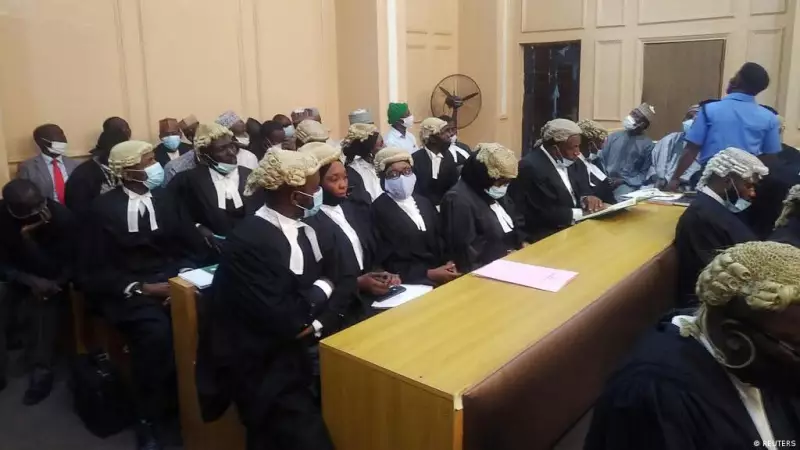
In a significant move to cleanse the judiciary, the National Judicial Council (NJC) has disqualified thirty-four lawyers from the race to become judges of the Federal High Court of Nigeria. The disqualification came after the nominees failed a newly instituted integrity test designed to screen out individuals with questionable character.
The New Integrity Screening Process
The integrity test is a key part of fresh guidelines authorized by the NJC under the leadership of the Chief Justice of Nigeria, Justice Kudirat Kekere-Ekun. The policy aims to prevent persons of doubtful integrity from ascending to the bench as judicial officers. The process began with sixty-two legal practitioners who were initially nominated for the Federal High Court bench after passing a Computer-based Test (CBT).
Following procedure, the Federal Judicial Service Commission (FJSC) applied the integrity test by publishing the names of all sixty-two applicants on September 17, 2025. This publication invited the Nigerian public to submit feedback concerning the nominees' integrity, reputation, and overall suitability for a judicial appointment.
Petitions and a Major Bribery Revelation
The public feedback mechanism led to various petitions against many of the nominees. One particularly damning case involved a female nominee accused of soliciting and accepting bribes while performing her official duties. This serious allegation prompted the FJSC to refer the matter to the Police Service Commission (PSC) for a formal investigation.
The PSC's investigation confirmed the accusation. It was established as a fact that the female nominee had demanded and received a bribe of One Million Naira (N1,000,000) during a court case that was handled through her office. This finding, based on a petition filed by a lawyer, became a central example of the issues the integrity test seeks to eliminate.
The Final Shortlist and Next Steps
After reviewing all petitions and feedback, the FJSC upheld the nomination of only twenty-eight candidates who received a clean bill of health. These twenty-eight names have been forwarded to the NJC for the final stage of the appointment process. The remaining thirty-four nominees were dropped for their failure to meet the required integrity standards.
A source within the NJC confirmed that the twenty-eight shortlisted nominees will face the Council's interview panel in the days leading up to its scheduled meeting in January 2026. Their names and credentials will be presented for final consideration at that crucial meeting.
This rigorous screening marks a decisive step by the Nigerian judiciary, under CJN Kekere-Ekun, to restore public confidence by ensuring that only individuals of proven character and integrity are appointed to the prestigious position of a Federal High Court judge.