Abia Judiciary Workers Shut Courts Indefinitely Over Unpaid Leave Allowances
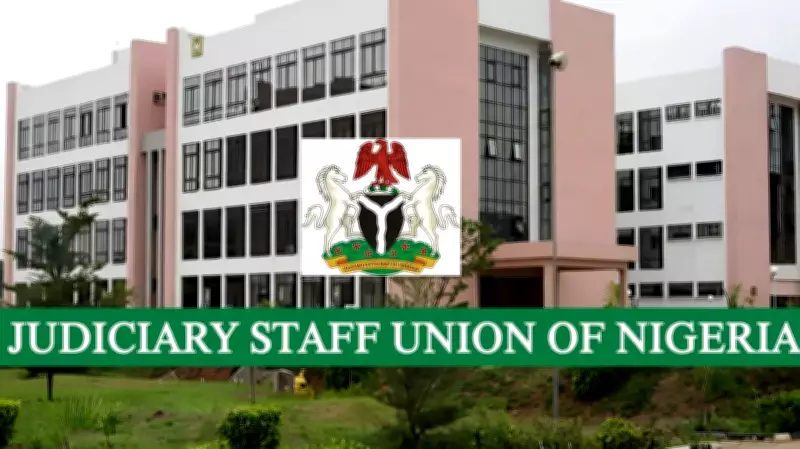
Judiciary workers in Abia State, operating under the Judiciary Staff Union of Nigeria (JUSUN), have initiated an indefinite strike, resulting in the complete shutdown of courts across the state. This industrial action, which has now persisted for approximately two weeks, has brought judicial activities to a standstill, severely impacting the legal system in Abia.
Core Grievances Behind the Strike
The primary catalyst for the strike is the non-payment of accumulated leave allowances, which union officials allege have been outstanding since 2018. However, this issue is part of a broader set of unresolved disputes between JUSUN and the Abia State government.
Comrade Pastor Chibuzo Nwachukwu, Secretary of the Abia State JUSUN chapter, elaborated on the union's demands in a statement to journalists. He emphasized that the unpaid leave allowances are not the sole concern. Key additional grievances include:

- The failure to implement financial autonomy for the judiciary as mandated by law.
- The non-harmonization of judiciary workers' basic salary structures with those of other public servants in the state.
Nwachukwu stressed the critical importance of salary harmonization, noting that many benefits and allowances are calculated based on workers' basic salaries. Without this alignment, judiciary staff remain at a significant disadvantage compared to their counterparts in other government sectors.
Historical Context and Political Denials
The secretary clarified that the outstanding leave allowances are not a liability solely of the current administration under Governor Alex Otti, who took office in 2023. He stated that the debts also originate from the tenures of former governors Theodore Orji and Okezie Ikpeazu, indicating a long-standing systemic issue.
In response to suggestions that the strike might be politically motivated, Nwachukwu firmly dismissed such claims as baseless. "It is laughable to say so," he asserted. "We are agitating because the government is paying other workers while excluding judiciary staff. Our action is informed by the government's refusal to honour agreements reached on this matter."
He detailed that the union had provided ample notice before escalating to a strike, serving 20-day, 14-day, and seven-day ultimatums, all of which reportedly went unanswered by the state government. Nwachukwu added that while the government has not denied responsibility for the payments, several reconciliation meetings failed to yield a resolution, compelling the union to take drastic action.
Government Claims and Union Resolve
Amid the stalemate, unconfirmed reports have emerged suggesting that the Abia State government contends that leave allowances have already been incorporated into workers' salaries. Nwachukwu categorically rejected this assertion, insisting that the allowances remain distinctly unpaid and that the government's position does not align with the reality faced by judiciary staff.
The union has vowed to continue the strike indefinitely until all its demands are fully met. This includes the clearance of the backlog of leave allowances, the implementation of judiciary financial autonomy, and the harmonization of salary structures to ensure equity with other public servants.
The prolonged court shutdown raises serious concerns about access to justice and the backlog of cases in Abia State, highlighting the urgent need for a negotiated settlement between JUSUN and the state government.