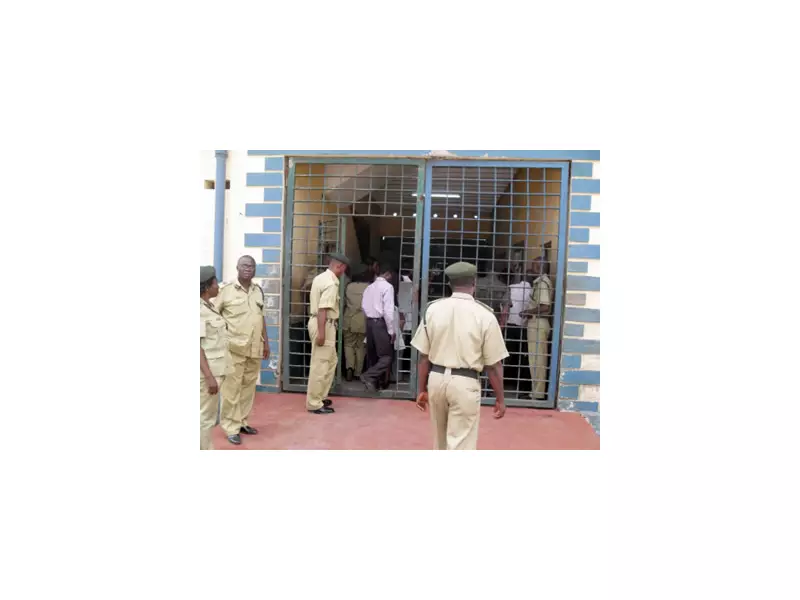
In a significant push to reform Nigeria's justice system, key stakeholders in Lagos State are championing the increased use of community service orders for individuals convicted of minor offences. This initiative aims to tackle three critical issues: the severe overcrowding in correctional centres, the effective rehabilitation of offenders, and the promotion of a restorative justice model that focuses on healing and accountability.
Sensitisation Drive Across Lagos Communities
Led by officers from the Lagos State Ministry of Justice Community Service Unit, a team recently conducted awareness visits to communities including Ikeja and Lagos Island. The effort was part of activities marking the 2026 Restorative Justice Week, which received funding support from the European Union and involved participants from the judiciary and various non-governmental organisations.
In a statement, the Lagos State Attorney-General and Commissioner for Justice, Mr. Lawal Pedro (SAN), underscored the fundamental shift in thinking that this approach represents. He framed restorative justice not merely as a legal concept but as a basic human right. Justice must go beyond mere punishment to include the restoration of dignity, accountability for actions, and the empowerment of those harmed by crime, he emphasised.
Bridging the Awareness Gap and Low Referral Numbers
A major hurdle identified by stakeholders is the limited public understanding of community service as a valid sentencing option. The International Institute for Democracy and Electoral Assistance (IDEA), a Sweden-based organisation, noted that awareness remains particularly low at the grassroots level. A persistent belief exists among many residents and local leaders that imprisonment is the only legitimate form of punishment.
This misconception, according to IDEA, leads to the stigmatisation of offenders, resistance to their placement within communities, and poor collaboration between the public and the justice system. The statistics reveal the scale of the challenge: in 2024, the Lagos Community Service Unit supervised 3,765 offenders (3,600 males and 65 females), a figure considered low relative to the need.
Mrs. Ajibola Ijimakinwa, the State Coordinator for the Rule of Law and Anti-Corruption Programme (RoLAC), echoed this concern. While over 300 cases have been directed to the Restorative Justice Unit, she stated that "the numbers are still low, and we look forward to increased referrals from magistrates courts and the police." She called for greater awareness so that within a year, a significant rise in referrals could be seen, even for cases already within the judicial system.
The Triple Benefits: Rehabilitation, Restoration, and Decongestion
Mrs. Tomi Bodude, Director of the Lagos State Ministry of Justice Community Service Unit, clearly outlined the three core objectives of the community service scheme. She described it as a non-custodial sentence where offenders perform unpaid work for the public good instead of going to prison, all under strict supervision.
This approach serves to correct behaviour, enables offenders to make amends to society, and directly reduces the crippling overcrowding in correctional facilities by keeping minor and first-time offenders out of custody. Additionally, it conserves public funds and shields less serious offenders from being influenced by hardened criminals within the prison system.
The Executive Vice Chairman of Lagos Island East LCDA, Monsurat Oluwatosin Balogun, praised the community sensitisation programme for educating residents on the value of community service as a modern justice tool. She affirmed that it reinforces the crucial message that "justice is not only punitive but also restorative — aimed at building better citizens and strengthening community bonds." The event was further complemented by a medical outreach offering free health checks and treatments to attendees.