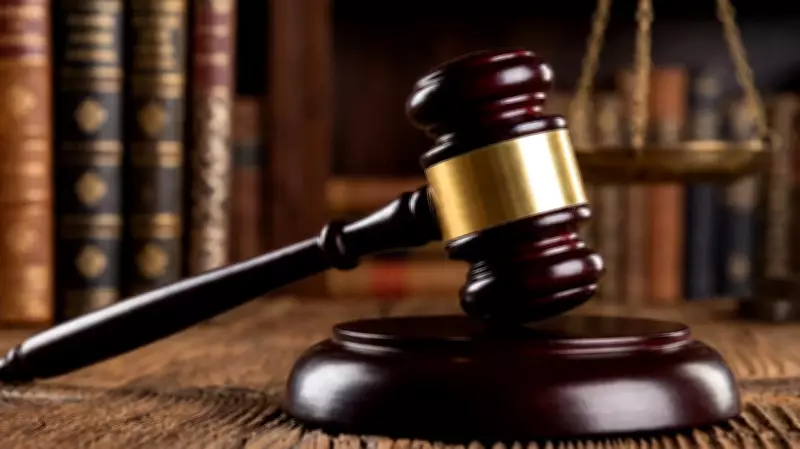
In a landmark ruling that could reshape the daily experience of Nigerian motorists, the Federal High Court in Abuja has drawn a clear legal line between enforcement and punishment on the road. Justice Hauwa Yilwa, delivering the judgment, made it unmistakably clear: while the Nigeria Police Force and the Federal Road Safety Corps retain the authority to stop vehicles, demand documents, and verify compliance with third-party motor insurance, they do not have the power to impose fines on the spot unless backed by a court order.
The decision followed a suit filed by activist-lawyer Deji Adeyanju, who challenged the legality of roadside penalties often issued during routine stop-and-search operations. The case raised broader concerns about whether such practices had crossed the line from enforcement into rights violations. In its judgment, the court carefully distinguished between the powers to enforce and the powers to punish. While affirming that both agencies can ensure compliance with existing insurance laws, it held that sanctioning offenders remains strictly within the jurisdiction of the courts.
Counsel to the applicant, Marvin Omorogbe, stated that the ruling clearly establishes that enforcement officers cannot assume judicial authority by issuing fines directly to motorists. According to him, the judgment protects citizens from arbitrary penalties while preserving the role of law enforcement in maintaining order on the roads. Reacting to the outcome, Adeyanju described the ruling as a necessary step toward addressing what he called a pattern of extortion faced by motorists. He noted that although the court did not grant all the reliefs sought—particularly the request to completely strip the police of enforcement powers—it succeeded in setting a clear limit on how those powers can be exercised.
However, the defendants are not backing down. Counsel to the defence, Victor Okoye, expressed reservations about the judgment and disclosed plans to challenge it at the Court of Appeal. He argued that the suit was improperly initiated through an originating summons and questioned whether the court had the jurisdiction to entertain the matter in the first place. Despite this, the ruling stands as a defining clarification for now.
For motorists across the country, the implication is straightforward: compliance with third-party insurance remains mandatory, and enforcement agencies can still carry out checks. But any financial penalty must follow due legal process—not roadside discretion. The judgment, therefore, not only reinforces the rule of law but also redraws the limits of authority in everyday encounters between citizens and enforcement agencies.