Former Governor El-Rufai Rearrested by SSS Moments After EFCC Bail in Abuja
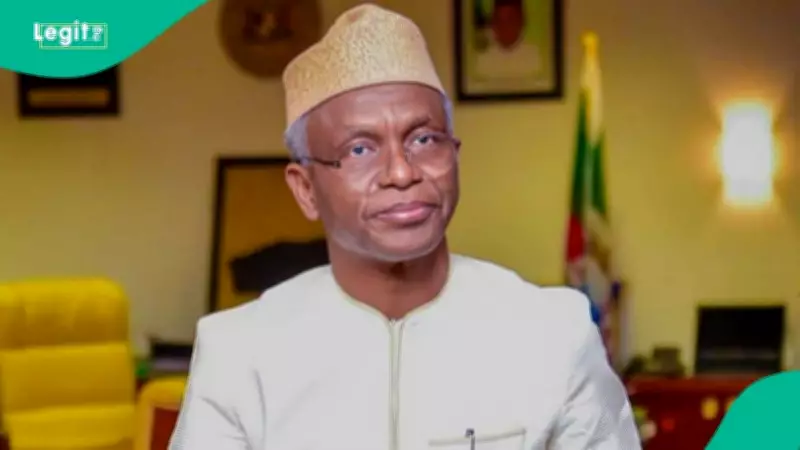
Former Kaduna State Governor Nasir El-Rufai was rearrested on Wednesday night, February 18, by the State Security Service (SSS) immediately after securing bail from the Economic and Financial Crimes Commission (EFCC). The dramatic development occurred outside the EFCC headquarters in Abuja, where El-Rufai had been detained since Monday over corruption-related allegations.
Rearrest Linked to Phone Interception Claims
Security sources indicate that the SSS action is connected to allegations that El-Rufai unlawfully intercepted telephone communications belonging to Nigeria's National Security Adviser, Nuhu Ribadu. The former governor had previously claimed during a live interview on Arise TV that the NSA's phone was tapped and that he heard instructions directing security operatives to detain him.
Earlier on Monday, the SSS filed cybercrime charges against El-Rufai at the Federal High Court, accusing him of offences related to illegal interception of communications. According to court documents, prosecutors allege that El-Rufai admitted intercepting the NSA's communications, failed to report others involved in unlawful interceptions, and endangered public safety and national security.

Court Filing Cites Cybercrime Laws
The alleged offences are said to contravene provisions of the Cybercrimes (Prohibition, Prevention, etc.) (Amendment) Act, 2024, and the Nigerian Communications Act, 2003. No arraignment date has yet been fixed, and El-Rufai has not publicly responded to the charges. The legal proceedings represent a significant escalation in the ongoing investigation into the former governor's activities.
Airport Incident Triggered Chain of Events
The recent developments follow a series of incidents that began last Thursday at the Nnamdi Azikiwe International Airport in Abuja, shortly after El-Rufai returned from Cairo, Egypt. Security operatives attempted to arrest him at the airport, leading to a brief confrontation and the temporary confiscation of his international passport.
El-Rufai later alleged that the attempted arrest was carried out on the instruction of the NSA through the SSS, a claim he reiterated during his Arise TV interview. This allegation has become central to the current legal proceedings against the former governor.
Lawyer Condemns Actions, Demands Passport
Reacting to the unfolding situation, El-Rufai's lawyer, Ubong Akpan, strongly criticised the attempted arrest and subsequent detention, describing them as arbitrary and a violation of his client's constitutional rights. Akpan stated that the EFCC invitation had been delivered while El-Rufai was abroad, making immediate compliance impossible, and added that his client had formally communicated his intention to honour the invitation upon his return.
The lawyer also demanded the immediate return of El-Rufai's passport, warning that legal action would be taken against any unlawful detention. Akpan emphasized that his client's rights must be respected throughout the legal process.
Political Fallout Deepens Scrutiny
El-Rufai has remained under increasing scrutiny since leaving office, including allegations of diverting large sums of public funds during his tenure as Kaduna governor. In 2024, the Kaduna State House of Assembly called for investigations into his administration, while the Independent Corrupt Practices Commission also summoned him for questioning.
Once a key ally of President Bola Tinubu, El-Rufai later fell out with the President after a proposed ministerial appointment collapsed. He has since joined the opposition African Democratic Congress, positioning himself as a vocal critic of the current administration. This political realignment has added complexity to the ongoing legal proceedings.
As of Wednesday night, security agencies had yet to issue an official statement on the latest rearrest, while the legal and political implications continue to unfold. The case represents a significant test of Nigeria's security and judicial systems, with potential ramifications for political figures across the country.