Judge Withdraws from EFCC Cases Against Former Attorney-General Malami in Abuja
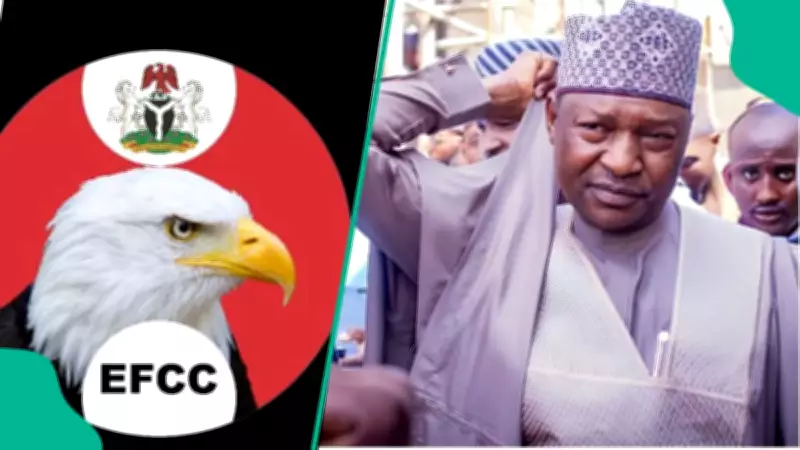
In a significant development in Nigeria's legal landscape, a federal high court judge in Abuja has stepped down from overseeing two high-profile cases involving Abubakar Malami, the former attorney-general of the federation and minister of justice. This move introduces a fresh twist to the ongoing proceedings handled by the Economic and Financial Crimes Commission (EFCC).
Details of the Withdrawal
Judge Obiora Egwuatu announced his withdrawal during a court session on Thursday, February 12, 2026. According to reports from The Cable, Egwuatu cited personal reasons and emphasized that his decision was made in the interest of justice. This abrupt development has sparked discussions within legal circles and among observers following the cases closely.
The withdrawal comes as the EFCC continues its investigations and legal actions against Malami, who served as a key figure in the federal government. The specific nature of the cases has not been detailed in initial reports, but they are part of broader anti-corruption efforts in Nigeria.
Reactions and Implications
News outlets, including Vanguard, have noted this development, highlighting its potential impact on the timeline and proceedings of the cases. The withdrawal of a presiding judge can lead to delays as a new judge is assigned, potentially affecting the pace of justice and public perception of the legal process.
This incident underscores the complexities and challenges in Nigeria's judiciary, particularly in cases involving prominent political figures. It raises questions about judicial independence and the mechanisms in place to ensure fair trials.
Background on the Parties Involved
Abubakar Malami, a Senior Advocate of Nigeria (SAN), held the position of attorney-general and minister of justice, playing a crucial role in legal and governance matters during his tenure. The EFCC, Nigeria's primary anti-corruption agency, is tasked with investigating and prosecuting financial crimes, making this case a focal point in the country's fight against corruption.
As the situation unfolds, further updates are expected regarding the reassignment of the cases and any new developments in the legal proceedings. Stakeholders and the public await more information to understand the full implications of this judicial withdrawal.