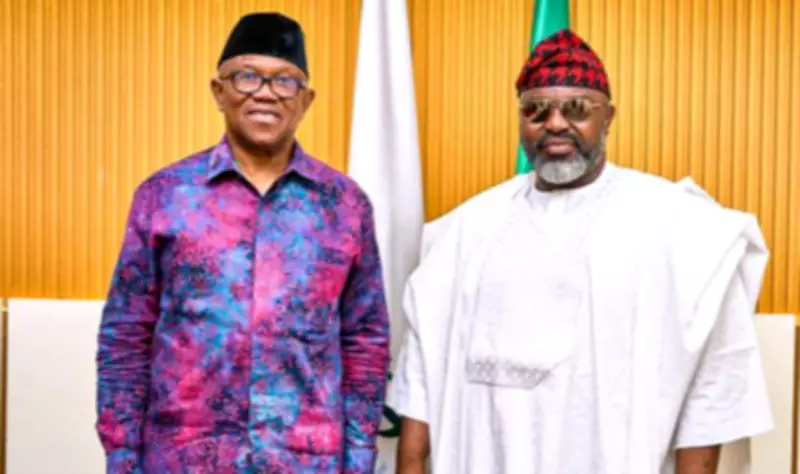
Kaduna Cleric Denies DSS Arrest After Peter Obi Visit, Says He Was Only Invited
In a significant development that has captured national attention, a prominent Kaduna-based Islamic cleric, Sheikh Ahmad Tijjani Umar, has firmly denied reports of his arrest and detention by the Department of State Services (DSS). This denial comes hours after former presidential candidate Peter Obi alleged that Umar was apprehended shortly after hosting him in Kaduna last Sunday, March 22.
Peter Obi's Allegations of Democratic Backsliding
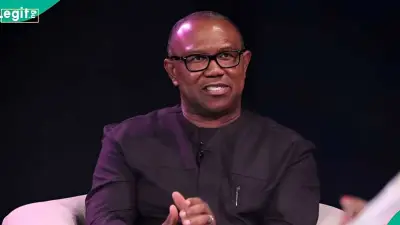
Earlier today, March 24, Peter Obi took to the social media platform X to express his concerns, stating that he had been informed about Umar's arrest. In his post, Obi described the alleged incident as a troubling sign of democratic regression, warning of escalating threats to freedom of speech and political expression in the country. "I have just been made aware... that revered religious leader, Sheikh Ahmad Tijjani Umar, has been arrested by authorities shortly after hosting me," Obi wrote, though he did not specify which security agency was responsible for the action.
Sheikh Umar's Video Refutation and Clarification
However, in a video that circulated widely hours after Obi's post, Sheikh Ahmad Umar categorically refuted these claims. The cleric insisted that he was neither detained nor mistreated by any security agency. Instead, he clarified that he was only invited for questioning by the DSS, cooperated fully during the process, and was subsequently released without any issues.
"I am speaking today to correct a false report being circulated in some quarters. I was not detained by the DSS. I was invited for questioning. I cooperated fully and I was released. I am free. I am safe. And I am well," Umar stated emphatically in the video, aiming to dispel any misinformation and reassure his followers.
Call for Calm and Democratic Engagement
In his address, Sheikh Umar also called on his supporters and residents of Kaduna State to remain calm and law-abiding, emphasizing the critical importance of maintaining peace and order in the community. "No one should take the law into his hands. No one should create disorder in the name of loyalty," he urged, highlighting the need for responsible conduct amidst the political tensions.
Furthermore, the cleric encouraged citizens to channel any dissatisfaction with the political system through democratic means, advocating for increased voter participation as a solution to governance challenges. "The answer is very simple: register, vote, and choose better leadership when the time comes," he advised, promoting civic engagement as a pathway to positive change.
Broader Implications for Political Discourse
This incident has sparked discussions about the state of political expression and security agency interactions in Nigeria. While Peter Obi's allegations raised alarms about potential infringements on democratic freedoms, Sheikh Umar's denial and subsequent release suggest a more nuanced scenario. The cleric's emphasis on peaceful resolution and democratic processes underscores the ongoing dialogue about how citizens and leaders navigate political disagreements in a volatile environment.
As the story continues to unfold, it serves as a reminder of the delicate balance between security concerns and civil liberties, with both figures advocating for transparency and adherence to the rule of law in their respective statements.