Lagos State Government Clarifies Scope of Abuja Court Ruling on Vehicle Inspection Powers
The Lagos State Government has issued a definitive clarification regarding the recent judgment from the Court of Appeal, Abuja Division, concerning Vehicle Inspection Service (VIS) operations. The government asserts that the ruling, which restricts certain enforcement activities in the Federal Capital Territory, does not invalidate or affect the lawful operations of VIS officers within Lagos State.
Addressing Misleading Interpretations
In an official statement, the Commissioner for Justice and Attorney-General of Lagos State, Lawal Pedro, addressed what he termed "viral interpretations" of the appellate court's decision. He emphasized that suggestions the ruling applies uniformly across Nigeria are incorrect and misleading. The clarification was necessitated by a judgment from the Court of Appeal, Abuja Division, which upheld a prior Federal High Court decision. That decision restrained Vehicle Inspection Officers (VIO) and the Directorate of Road Traffic Services in the FCT from stopping motorists, impounding vehicles, or imposing fines.
"It is important to understand that the Honourable Judge of the Federal High Court and Justices of the Court of Appeal premised their decision on absence of statutory power conferred on the Respondents to stop, impound or confiscate vehicles and/or impose fines on motorists on roads in FCT Abuja," the statement explicitly read.
Federal Structure and State Authority
While acknowledging the binding nature of the ruling within the jurisdiction of the Federal Capital Territory, the Lagos government stressed a critical constitutional point. "The judgment, though binding, is not of general application or of nationwide effect in Nigeria," the ministry stated. It elaborated that Nigeria's federal structure permits individual states to legislate on residual matters, which explicitly include vehicle inspection and traffic management. This principle of federalism allows states to enact and enforce laws tailored to their specific needs and circumstances.
Legal Foundation in Lagos State
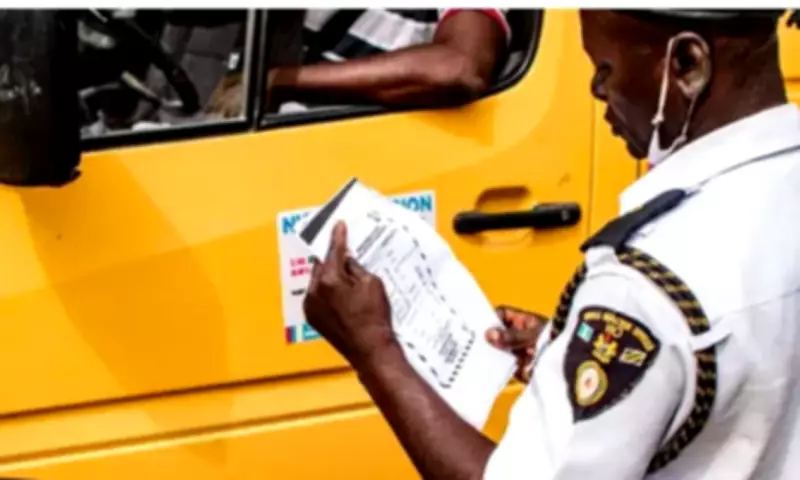
The government underscored that Lagos operates under a distinct legal framework: the Lagos State Transport Sector Reform Law. This law expressly establishes and empowers the Vehicle Inspection Service. To demonstrate this authority, the statement cited specific provisions:
- Section 12(1) of the law vests the VIS with powers to inspect and regulate the roadworthiness of vehicles, conduct pre-registration inspections, issue Road Worthiness Certificates, and collaborate with other agencies to enforce traffic regulations.
- Section 23(1) outlines the procedures for imposing fines on offenders, noting that penalties are subject to judicial oversight through mobile or magistrate courts.
Detailing the penalty process, Commissioner Pedro affirmed, "The fine shall be paid either on the spot if it is imposed by a mobile court or within forty-eight hours upon issuance of the ticket by an authorised officer. On default of payment, a formal charge shall be proffered against the offender."
Assurance of Lawful Enforcement
The ministry maintained that all enforcement actions conducted by VIS officers on Lagos roads are fully lawful and constitutionally grounded. "The process and procedure of enforcement of power of the VIS officers on Lagos roads are in accordance with the law and not unlawful or unconstitutional," he stated definitively. This assurance is intended to reinforce public confidence in the state's traffic management systems.
Call for Cooperation and Warning
The Commissioner issued a direct appeal to motorists within Lagos State. He urged them not to rely on what the government described as misrepresentations of the Abuja judgment and to continue cooperating fully with authorised VIS officers during their duties. Furthermore, the government issued a stern warning regarding interference with law enforcement personnel.
It was clearly stated that any motorist who obstructs or assaults VIS personnel while they are executing their lawful responsibilities will face immediate arrest and subsequent prosecution under the relevant laws of Lagos State. This warning underscores the government's commitment to upholding order and supporting its officers in maintaining road safety and regulatory compliance across the state.