Nigerian Lawyer Provides Legal Justification for VDM's Petition Against Blessing CEO
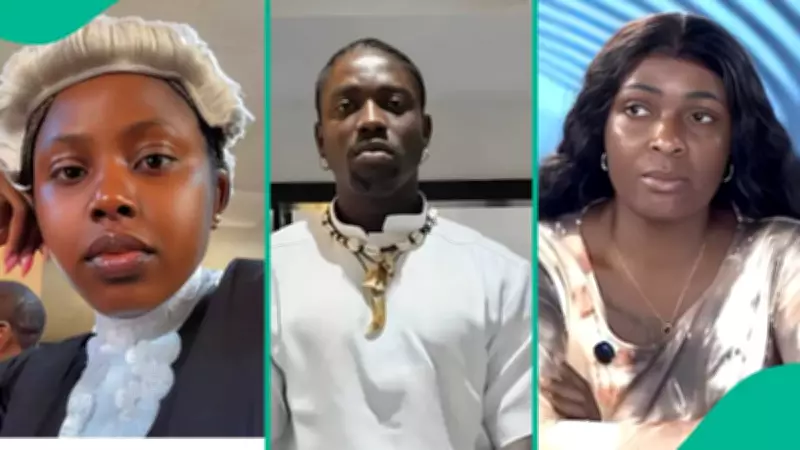
A Nigerian lawyer, Barr Wendy Cynthia Okosa, has publicly supported content creator VeryDarkMan's petition against self-acclaimed relationship therapist Blessing Nkiruka Okoro, widely known as Blessing CEO, regarding donations solicited under claims of battling stage 4 cancer. This development follows VeryDarkMan's announcement that he submitted a formal petition to the Inspector-General of Police in Abuja, accusing Blessing CEO of offences such as obtaining money under false pretences, forgery, and false representation. The petition was reportedly approved for a full investigation on April 7, 2026, sparking widespread debate on social media and legal circles.
Legal Analysis of the Petition's Validity
In a detailed Facebook post, Barrister Okosa addressed key questions about the petition's legal standing, particularly focusing on whether it could be valid despite VeryDarkMan donating only N150 to Blessing CEO's cause. She emphasized that in Nigerian law, the amount involved in a complaint does not determine its validity. Instead, the critical factors are the alleged conduct and whether there was an intention to deceive the public. According to her legal explanation, even small sums like N150 can form the basis of a legitimate criminal complaint if they are part of a broader alleged scheme affecting multiple individuals.
Barrister Okosa outlined the essential elements required to establish the offence of obtaining by false pretences, which include:
- A false representation of fact made knowingly and with intent to deceive.
- Inducement of people to part with their money, regardless of the amount.
She stressed that VeryDarkMan has the legal right to report a suspected crime and submit a petition to law enforcement authorities, acting in the public interest. His donation serves as evidence that he relied on the alleged false representation, potentially making him a victim in the case.
Public Reaction and Broader Implications
The controversy has ignited discussions on social media, with many netizens weighing in on the ethics of online fundraising and accountability for public figures. Blessing CEO has been at the center of attention after she emotionally appealed for donations, claiming to suffer from stage 4 cancer, which prompted various reactions from the online community. VeryDarkMan's petition highlights concerns about transparency and honesty in digital spaces, where influencers often solicit funds for personal causes.
Meanwhile, other figures in the entertainment industry have commented on the situation. For instance, media personality Daddy Freeze responded to calls for his arrest by the Economic and Financial Crimes Commission (EFCC) following an interview with Blessing CEO, questioning why he should be targeted when he did not make personal donations. This adds another layer to the ongoing narrative, underscoring the complex interplay between celebrity influence, legal accountability, and public trust in Nigeria.
Barrister Okosa concluded her analysis by noting that the success of the case will hinge on proving whether the representation of a medical condition was false and used to induce public donations, rather than the specific amount donated. This legal perspective provides a framework for understanding how Nigerian law addresses such issues, potentially setting a precedent for future cases involving online fraud and misinformation.